
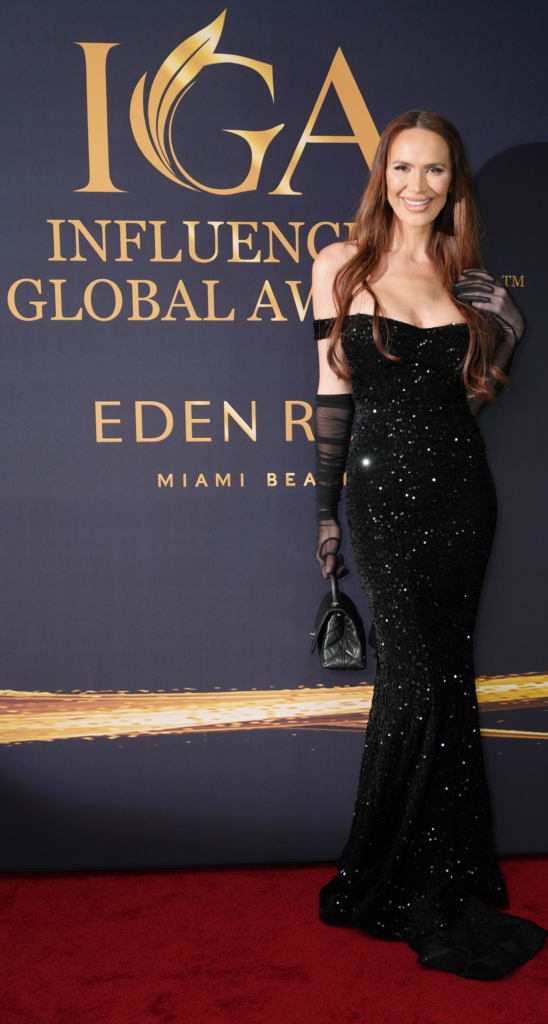
An evening dress code is neither an instruction manual nor a whim of the host. It is a language through which an event tells you in advance who you will be there: an observer, a participant, or part of the scene itself. That is why the line Black Tie, White Tie or Cocktail on an invitation matters more than any idea of dressing “by mood”. It defines the scale of the evening, its ambition, and the level of composure expected of you.
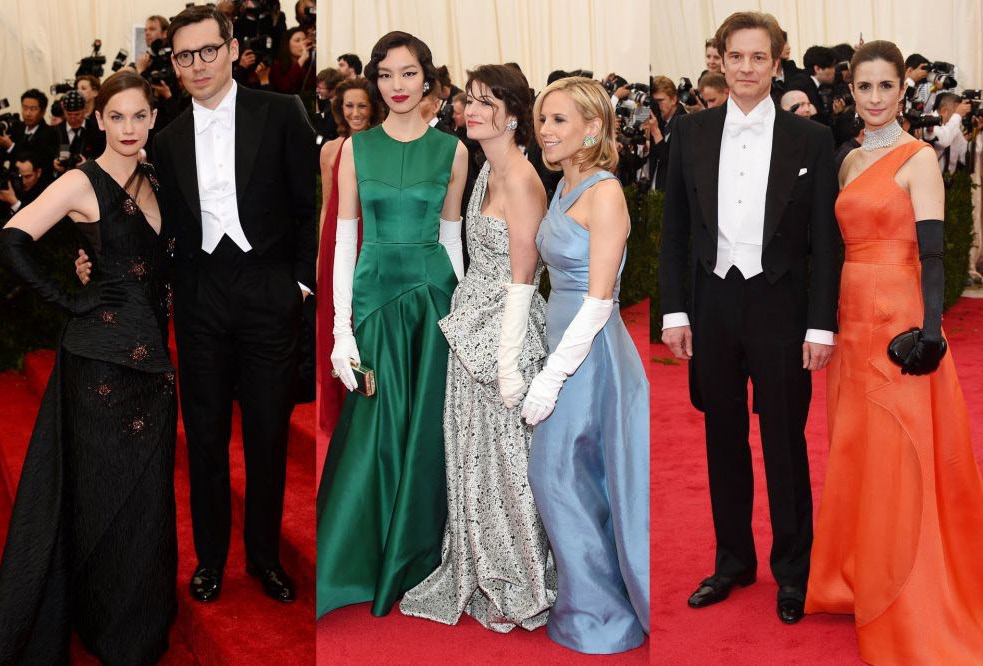
At a time when style is increasingly replaced by comfort, the evening remains one of the few spaces where appropriateness still matters. And here, there are no small details: not in the length of a dress, not in the cut of a tuxedo, and not in how complete the overall image appears.
Black Tie — the universal code of a grand evening
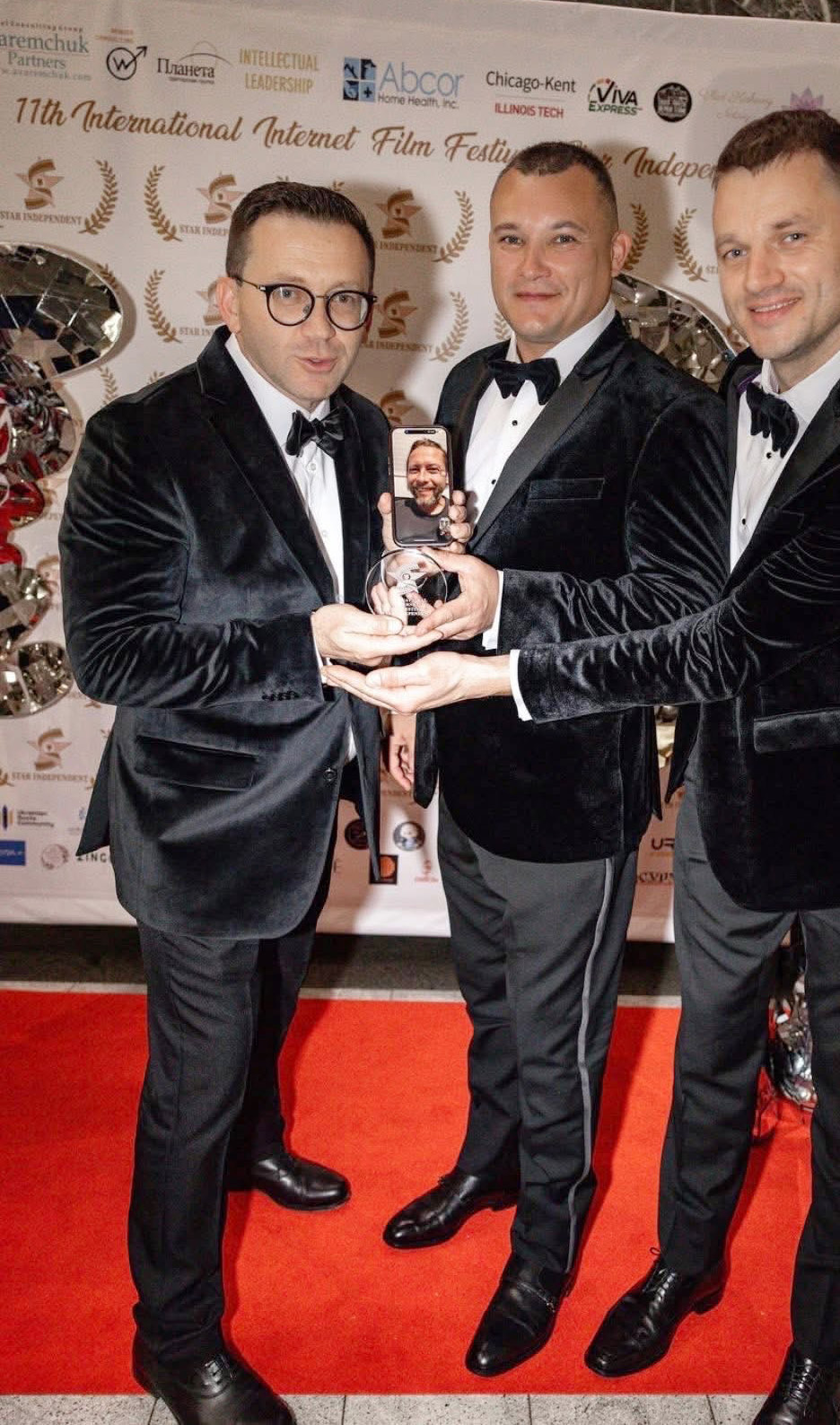

Today, Black Tie is the defining evening dress code of modern society. It is specified for gala dinners, premieres, charity balls, formal weddings, ceremonial receptions and events where status, aesthetics and a sense of occasion are essential. It is a format that balances tradition with contemporaneity.
In a Black-Tie look, evening is immediately recognisable in the female silhouette: elongated lines, a sense of proportion, fabrics that move beautifully and respond to evening light. The interpretation may be restrained or sensual, but it is never careless or daytime in spirit. For men, Black Tie centres on the tuxedo — precise tailoring, restraint and impeccable fit. Decorative excess is irrelevant; what matters is how the suit sits and how the man inhabits it.
The most common mistake with Black Tie is trying to make it too relaxed. When a dress slips into cocktail territory or a tuxedo becomes just a dark suit, the sense of occasion disappears. Black Tie does not demand theatricality, but it is not about everyday ease. It is a dress code where the look must feel composed at first glance — for both women and men.
White Tie — the rare domain of ceremony
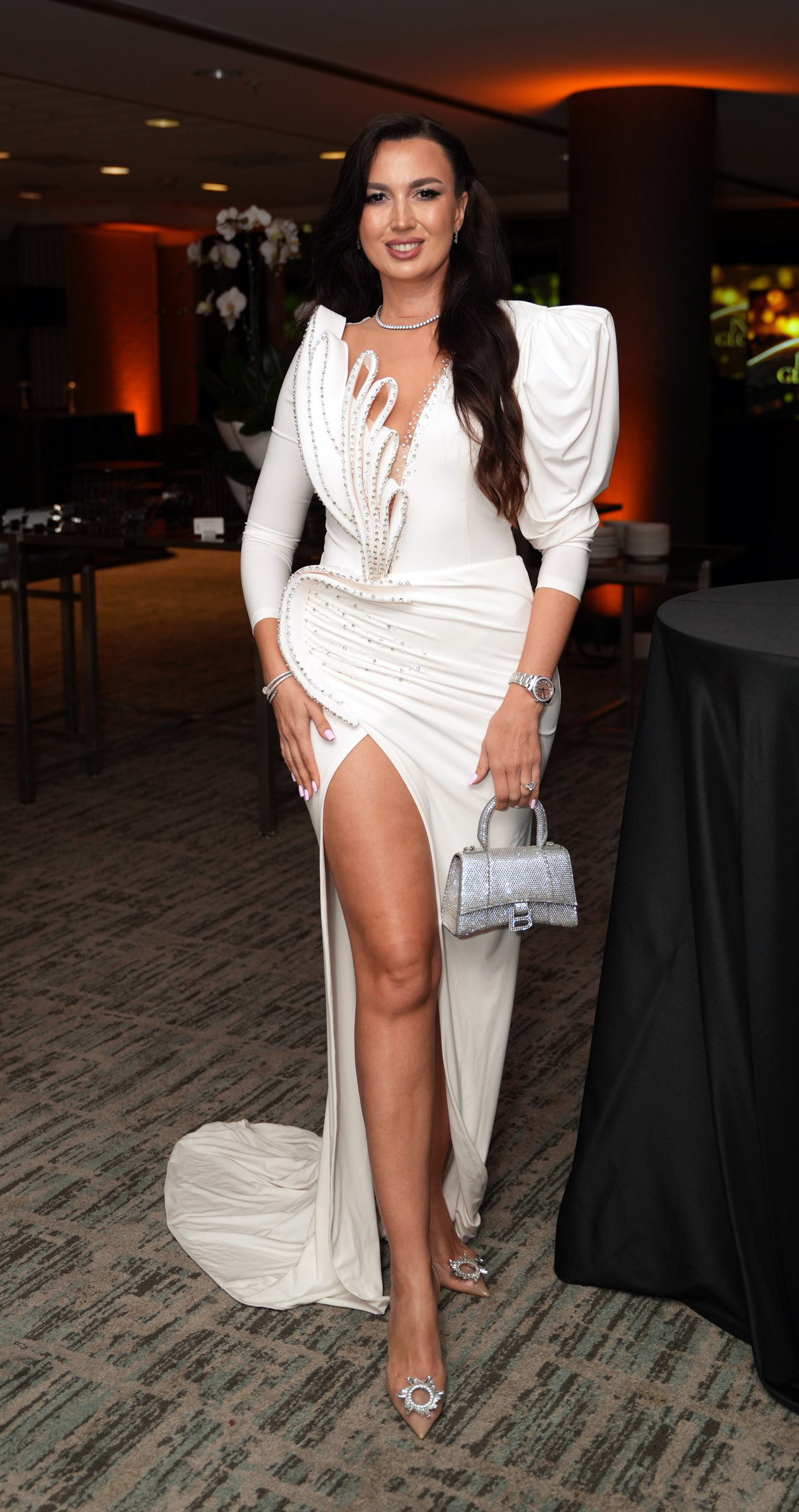
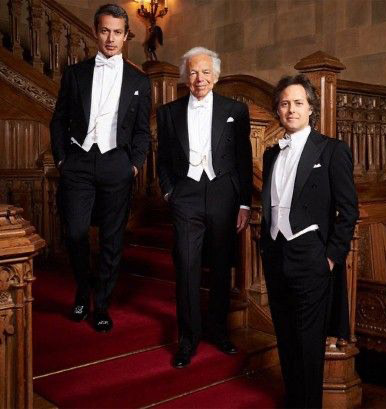
White Tie is no longer simply an evening; it is a ritual. It is reserved for events of the highest formality: state receptions, diplomatic balls, major ceremonial occasions. There is little room for interpretation, and that is precisely its strength.
For women, White Tie means a floor-length gown that emphasises the event rather than personal fashion. For men, it is a tailcoat with flawless structure and strict logic of detail. White Tie demands posture, restraint and the understanding that one is not merely a guest, but part of a protocol.
Mistakes in this dress code usually stem from attempts to modernise it — simplifying lines, shortening length, introducing casual elements. But White Tie does not work halfway. It is either respected or undone. Here, the outfit is not self-expression, but a gesture of respect toward the occasion.
Cocktail — the style of the social evening


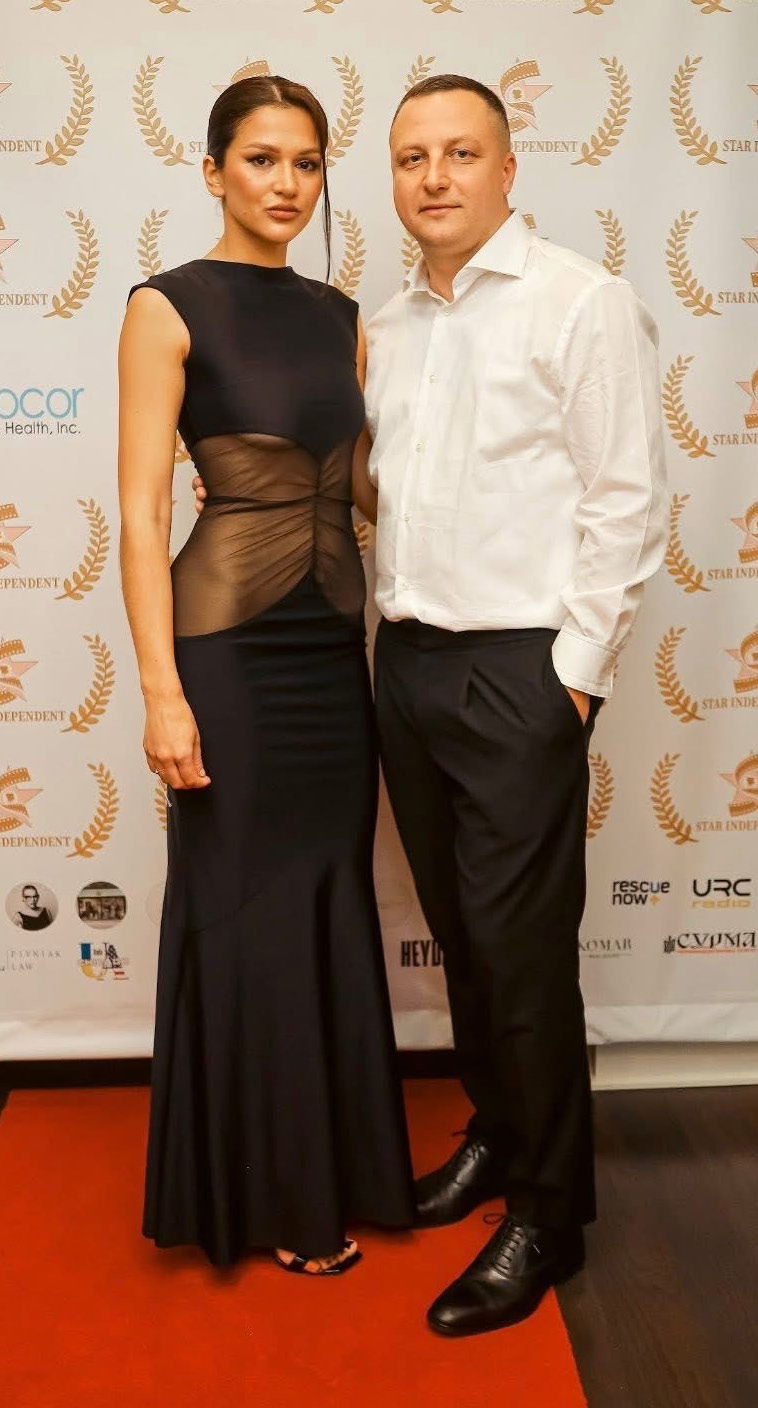
Cocktail is the most dynamic and the most delicate of evening dress codes. It is chosen for parties, exhibitions, presentations, birthdays, weddings without strict protocol and events where atmosphere and interaction matter most. It offers freedom — but that freedom requires taste.
For women, Cocktail allows shorter lengths, tailoring, play with colour and form. For men, it suggests a wellcut suit with less rigidity, sometimes without a tie, but always with intention. It is a style that should feel effortless, yet never accidental.
The most common mistake in Cocktail dressing is incompleteness. The look appears acceptable, but lacks evening tension: overly daytime clothing, missing accents, the sense that one has simply arrived straight from work. Cocktail is not about minimalism — it is about precision. Everything must appear deliberate.
On the completeness of the look
Evening always brings different lighting, a different distance and a different scale. For that reason, any evening dress code, regardless of formality, implies grooming and completion. This is not about dramatic effect, but about ensuring that the face, hair and overall silhouette support the chosen format.
For women, this may mean restrained yet intentional makeup and styled hair. For men, careful grooming, attention to detail and clean lines. Evening is not about “natural as is”, but about composure. It is this composure that makes an image convincing.
How to choose without error
If an invitation specifies Black Tie, prepare for an evening of status and ambition. White Tie signals entry into a world of ceremony and protocol. Cocktail speaks of social interplay, where style should be light yet conscious. And when in doubt, it is always better to choose the more formal interpretation and bring the look to a complete conclusion.
Because evening style is not only about clothing. It is the ability to read context and respond to it precisely — and that, perhaps, is the highest form of elegance.