

There are moments when life feels as if it has collapsed. A storm rises inside, sweeping away every support, leaving only confusion, fear, and the desperate need for shelter. For me, such a storm led unexpectedly to the quiet mountains of Idaho, not far from the healing waters of Lava Hot Springs, where I entered a Vipassana meditation course.
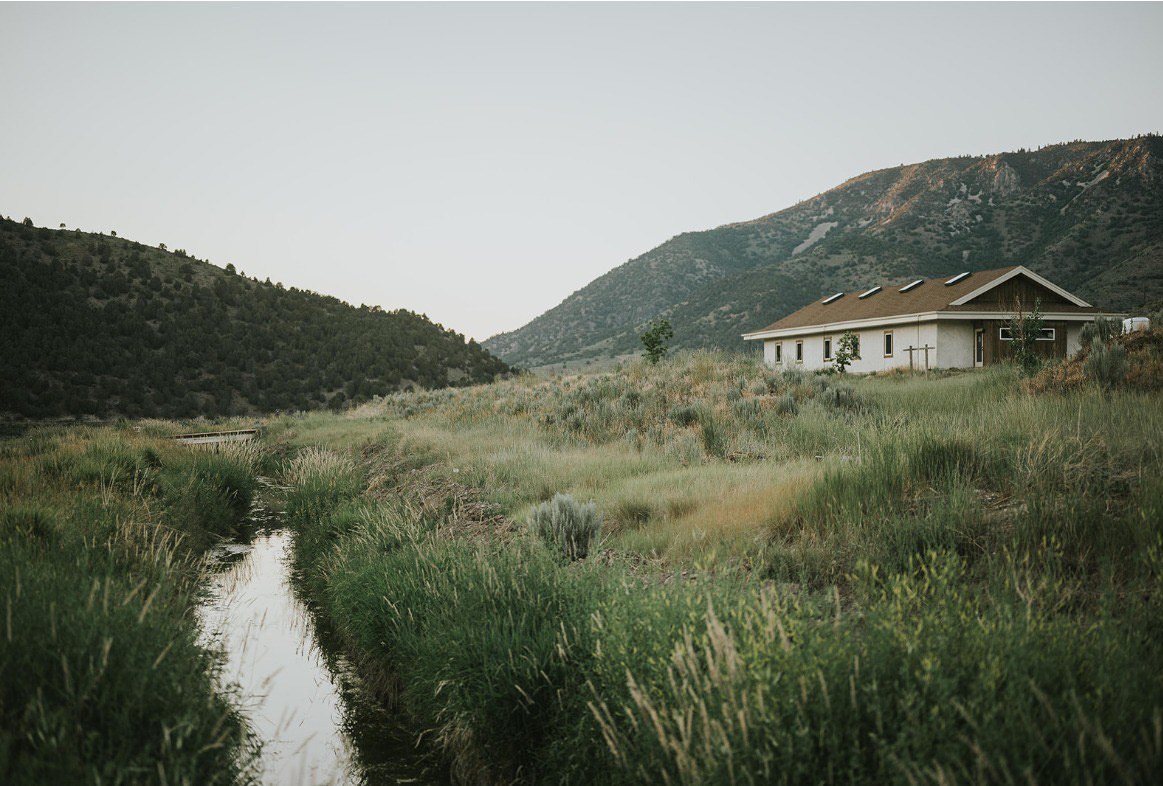
It felt less like coincidence and more like a summons. Something in the soul was calling for healing, for answers deeper than words or theories. The mountain landscape of the American West, serene yet powerful, became the silent backdrop for an inner journey — an encounter not with the world outside, but with the world within.
Vipassana, meaning “to see things as they really are”, offers more than meditation; it offers a new way of living. It shows us that suffering doesn’t arise from the ups and downs of life itself, but from how we react to them — clinging to what we like and pushing away what we dislike. Ten days of silence and self-observation turned the turbulence of my emotions into something else entirely: a steady current of awareness, acceptance, and quiet strength.
The structure was simple yet demanding: long hours of meditation, silence, and no distractions from the outside world. At first, it felt unbearable. When all noise and activity fell away, the mind began releasing what I had buried — old anger, grief, fear. These emotions did not come as abstract ideas but as sensations in the body: heat, tightness, trembling, waves of pressure.
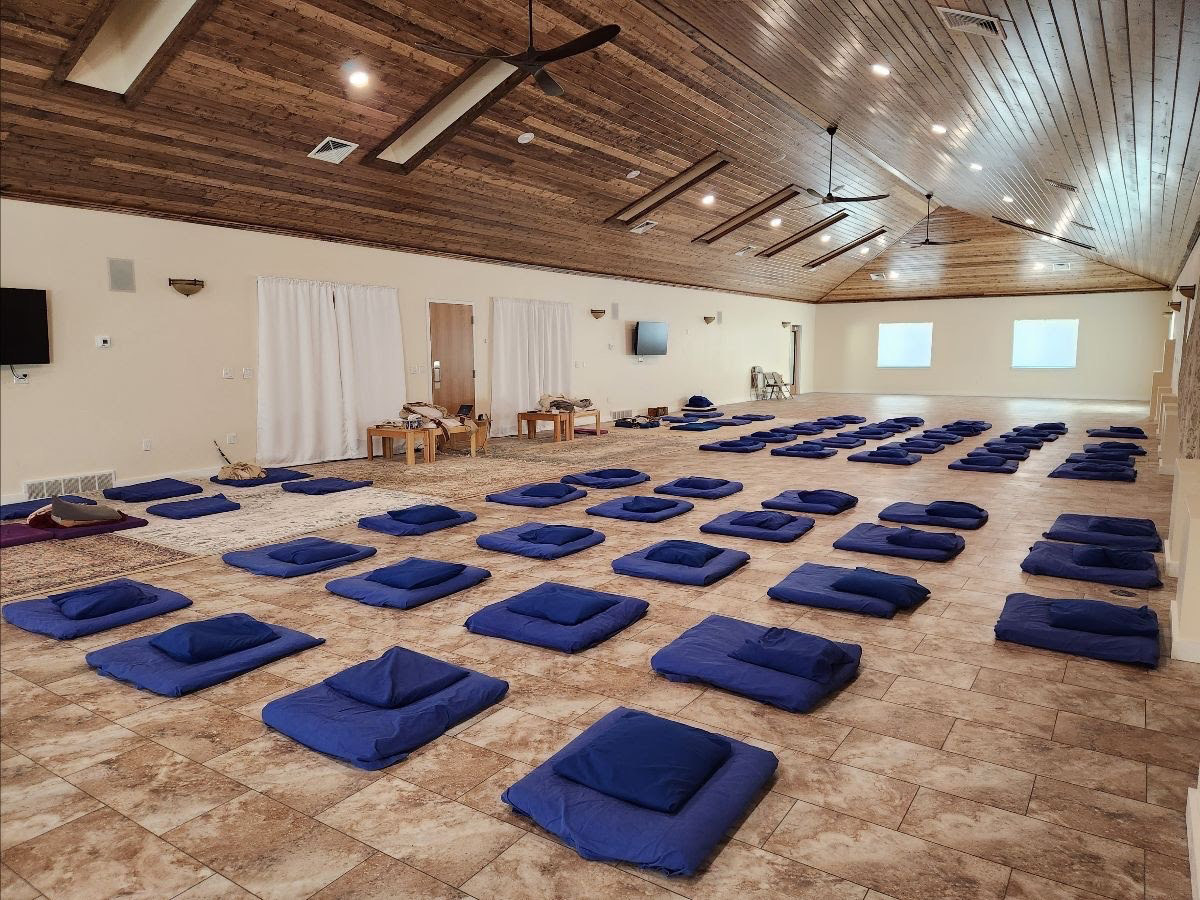
The teaching was clear: don’t analyze, don’t fight, just observe. This was perhaps the hardest lesson — allowing pain to simply be felt without resistance. Over time, I saw how even the strongest sensations would change, dissolve, and vanish. This was the living reality of Anicca, impermanence.
What once seemed like catastrophic suffering revealed itself as nothing more than shifting vibrations in the body. Seeing this again and again, I began to understand that nothing lasts — neither the pain I feared nor the joys I craved.
Vipassana’s true gift lies in cultivating upekkha — balance, or equanimity. Whether in the form of a sharp pain in the knee after sitting too long, or a deep sadness rising from memory, the practice was the same: acknowledge, observe, and refrain from reacting.

At first, this felt like passivity, but soon I realized it was the opposite. It was strength. To sit with pain without fear, to allow joy without grasping — it was liberation. I discovered that I could be a witness to my storm rather than its victim.
The world outside hadn’t changed, but my axis of life had shifted inward. No longer was happiness tied to gain or loss, approval or rejection. Balance became the new ground beneath my feet.
Vipassana does not promise escape from life. It doesn’t remove pain, nor does it guarantee permanent bliss. What it offers instead is acceptance — the deep knowing that everything, whether joy or sorrow, is part of the great current of impermanence.
This changes everything. Pain still visits, but suffering — the extra layer we add through resistance — begins to dissolve. Joy still comes, but without the desperation to hold on to it. Life begins to be lived fully, moment by moment, without clinging or fear.
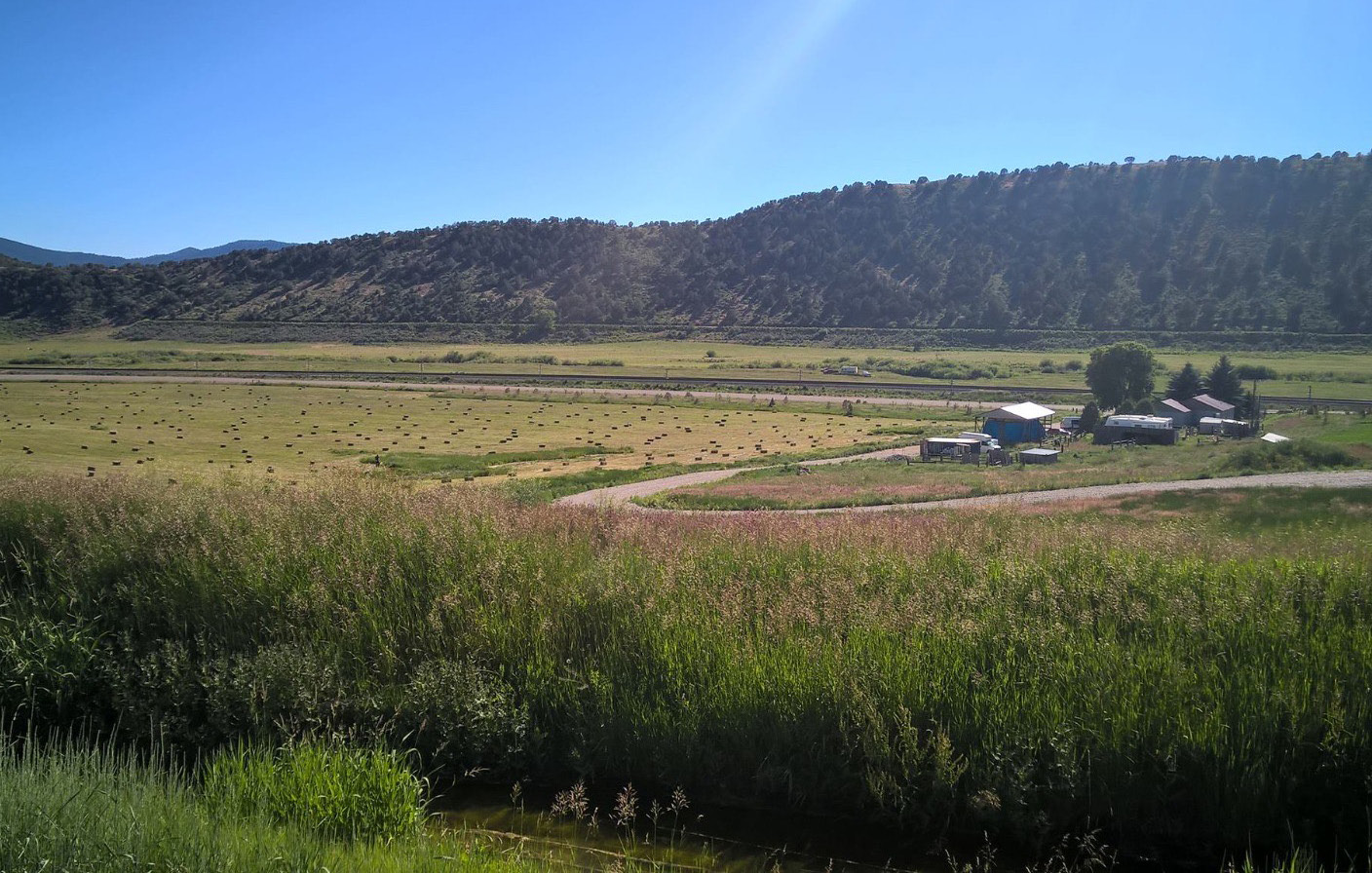
In Idaho, I arrived with an inner storm. I left with the discovery that within me lies an ocean vast and calm, capable of withstanding any storm without being disturbed at its depths.
The ten days of silence were not empty. They were full — full of discoveries, full of lessons that words can only point to. Silence became a teacher louder than any voice, a mirror reflecting the restless mind until it began to quiet on its own.
I returned to ordinary life with no new dogma, no philosophy to recite, but with a living experience: when storms arise, I can return to the breath, to the body, to awareness. And there, in that simple act, I find ground again.
The essence of Vipassana is not magic. It is a shift in consciousness — a shift from reacting blindly to seeing clearly, from drowning in the storm to sailing upon it. In this clarity, life reveals itself as it truly is: impermanent, unpredictable, yet deeply beautiful.
One of the most moving discoveries of the course was not only the practice itself but the spirit surrounding it. Old students return, not to meditate for themselves, but to serve—cooking meals, cleaning halls, creating the space so that newcomers can do their work in peace.
This selfless service, offered freely without expectation of reward, is itself a meditation. It is the lived truth of the teachings: that true happiness grows not from taking, but from giving. Witnessing this generosity revealed another dimension of Vipassana — the reminder that the path is not solitary. Each step is supported by the kindness of those who have walked before us, and in turn, we support those who will follow.
Vipassana is not a retreat from life; it is a return to it, but with new eyes. The storms outside may not cease, but the storms within lose their power. Balance, clarity, and compassion become the natural response to life’s constant change.
The mountain landscapes of Idaho, with their quiet beauty and nearby hot springs, offered a serene backdrop for this transformation. Yet the real discovery was not in the hills or the valleys — it was in the ocean within, an ocean that remains deep, calm, and steady no matter how fierce the winds of the world may blow.
And that, perhaps, is the quiet miracle of Vipassana: it reveals the peace that was always there, waiting beneath the waves.
Vladimir Koshevoy
Colorado