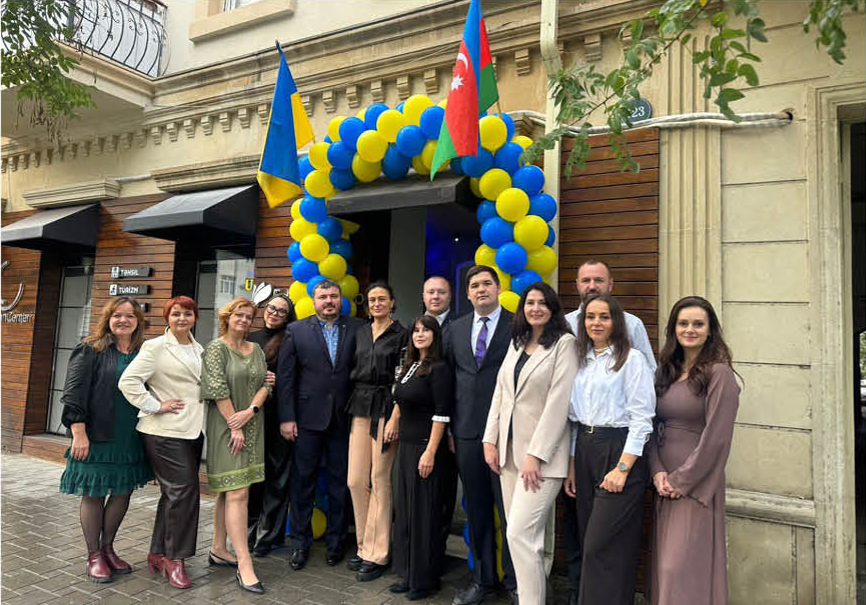
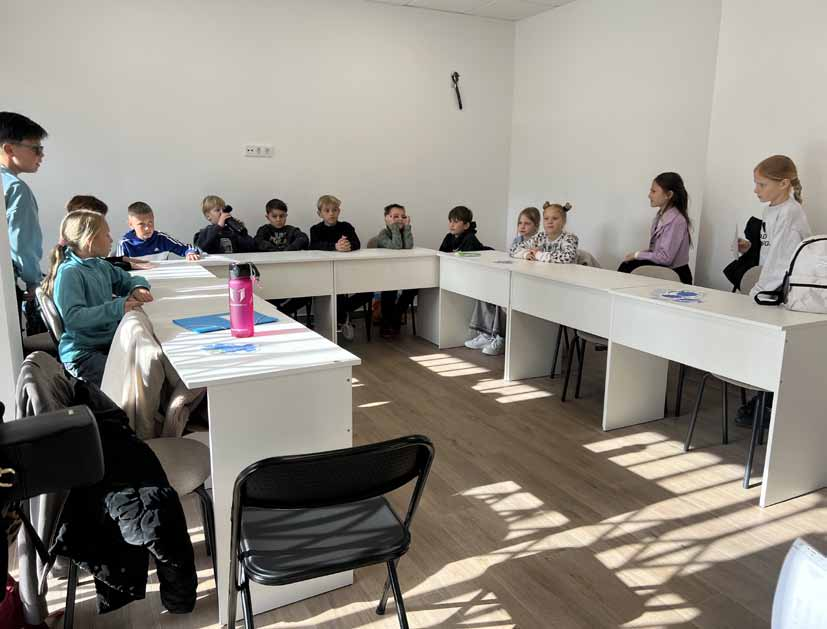
Wherever Ukrainians find themselves, they create their own spaces — places of gathering, support, and preservation of national memory. Even thousands of kilometers away from home, they find ways to speak their native language, sing Ukrainian songs, and pass their culture on to their children. This time, our magazine’s editorial team traveled to Spain to see how the Ukrainian community in the province of Alicante is building its own educational center and nurturing an environment where a new generation of Ukrainians can grow.
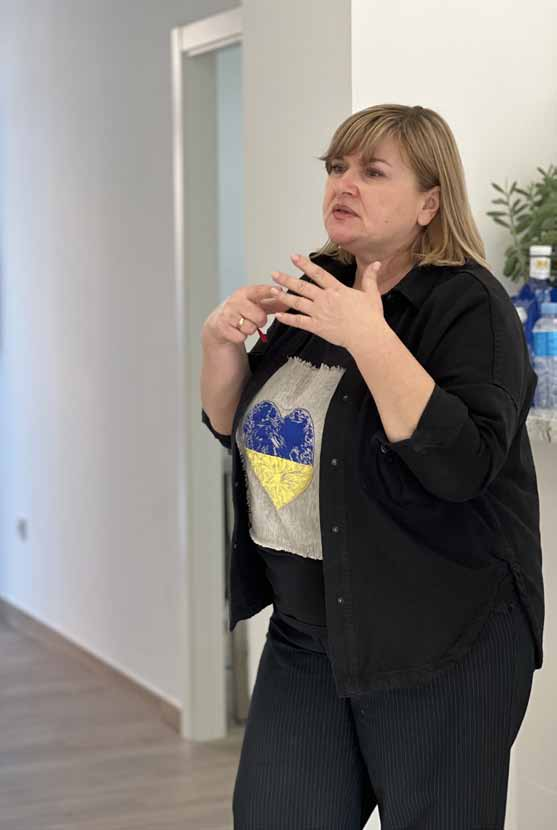 The Ukrainian school “Litachok Mriya” (Little Dream Airplane) in the province of Alicante, Spain, is a school with a history and a mission. Founded in 2022, it became a response to the challenges of its time. In September of that year, 45 Ukrainian children who had been forced to leave Ukraine because of the full-scale war joined the school. Today, the educational space has three branches — in Alicante, Elche, and Benidorm — and continues to grow.
This is not an ordinary school. It is a space for preserving the Ukrainian language, culture, and traditions, combined with creativity, innovation, and special attention to every child. Children from Ukrainian families come here to receive an education in their native language, to preserve their roots, and at the same time to spend meaningful and joyful time among their own community.
The founder of the school is Tetiana Uvarova, a lecturer at a гуманітарний університет in Odesa, who has continued her educational mission even after the outbreak of war. She firmly believes that even in forced emigration, children have the right to remain part of the Ukrainian cultural space.
The school’s name has a special story behind it. At first glance, it may sound sweet, yet it can also surprise: who would think to name a Ukrainian school abroad “Little Dream Airplane”?
In September 2022, when the educational space had just begun operating, there was a need to choose a name. A democratic decision was made — to allow the children to decide for themselves. On small pieces of paper, they wrote or drew their ideas, and then held a real vote. The youngest pupil, who was barely two years old at the time, was entrusted with determining the final result by drawing a lot. The slip of paper she chose read: “Litachok Mriya”.
The boy who suggested the name, with tears in his eyes, spoke about the Ukrainian aircraft destroyed in the first days of the war in Hostomel — the AN-225 “Mriya”, the largest cargo airplane in the world and a symbol of Ukrainian aviation. He believed deeply that the legendary aircraft would be rebuilt and that Ukraine would win. The adults could not help but believe with him. They could not betray this child’s dream — just as they could not abandon their own dream of supporting children, helping them adapt to a new country, and maintaining their connection to their homeland.
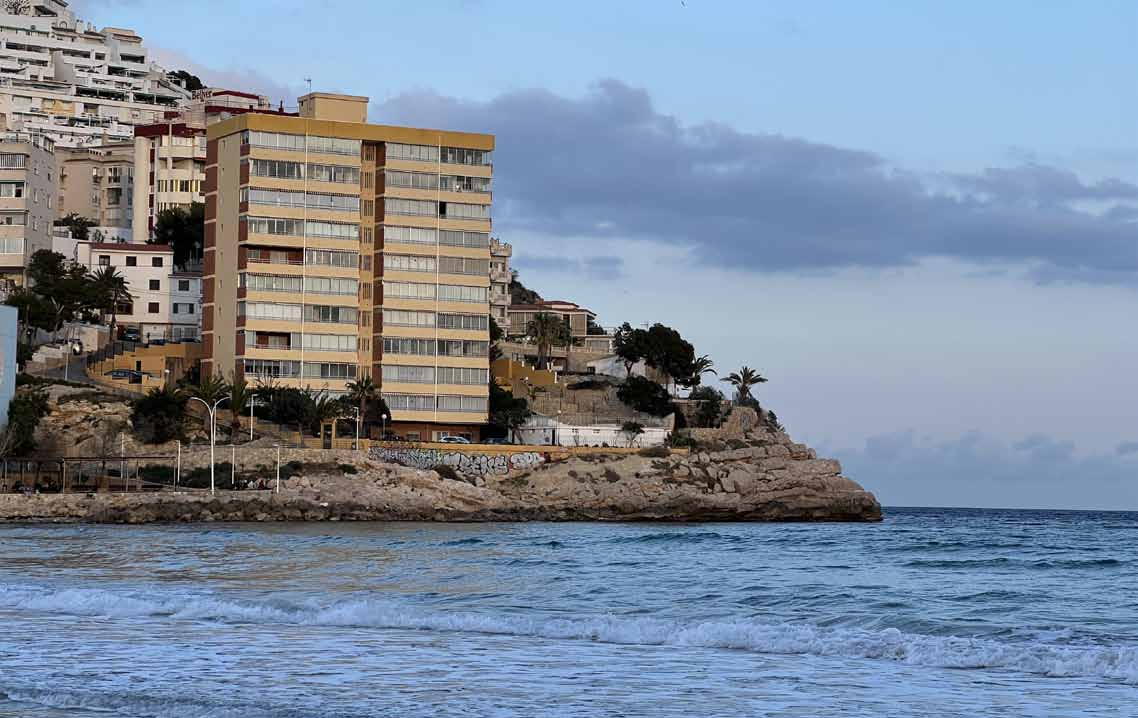
Today, the school proudly carries a name that has become a symbol of faith in recovery and victory. Here, they are certain that “Mriya” will be rebuilt and will once again amaze the world with Ukrainian strength. Meanwhile, another “Mriya” fulfills its mission every day — an educational one.
Our editorial team visited the school on a special day dedicated to honoring the memory of Lesya Ukrainka, the outstanding Ukrainian poet and writer. The classrooms were filled with a focused yet inspired atmosphere. The children recited poems, discussed her biography, and reflected on her resilience and strength of spirit. Teachers emphasized that Lesya Ukrainka’s life is an example of how love for one’s country and for the written word can help overcome even the greatest hardships.
On that day, a Ukrainian animation film director was invited to the school to conduct a master class on creating a short animated film about Lesya Ukrainka. The children learned how an animated character is born, how a storyline is developed, and how a sequence of drawings transforms into movement. They divided responsibilities: some worked on character design, others created backgrounds, while another group developed dialogue and scene order.
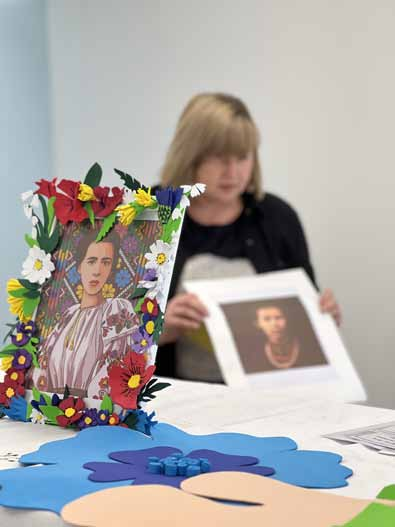

The most exciting part was the opportunity to “bring the poet to life” on screen — portraying her as a little girl who loved to read, and as a strong woman writing her immortal lines despite illness. Through creativity, the children gained a deeper understanding of who Lesya Ukrainka was and why her words remain relevant today.
For many of the students, this was more than just a literature lesson. It was an experience of collective creation and shared memory. Living abroad gives such events special meaning: they help children not only study history, but also feel personally connected to it.
During breaks, Ukrainian speech filled the corridors. The walls were decorated with children’s drawings of blue-and-yellow flags, the Carpathian Mountains, and the seaside landscapes of Odesa. In every detail, one could feel love for the homeland — a love that lives in hearts even far from home.
“Litachok Mriya” is more than a school. It is a place of strength for Ukrainian families in Spain. It is a space where children learn not only grammar and history, but also respect for their roots. Here, a Ukrainian identity is being shaped — one that does not depend on geography.
And while the great “Mriya” awaits its rebirth in the sky, the small “Mriya” in Spain lifts the wings of children’s hopes every single day. Because it is from such initiatives that the future begins — conscious, educated, and deeply Ukrainian.