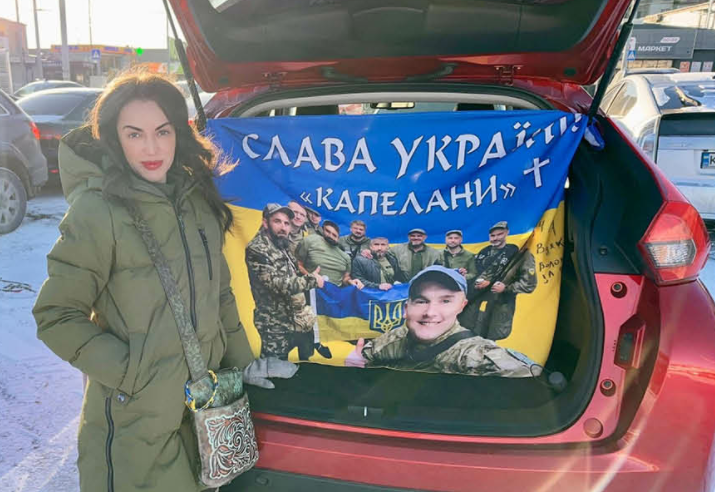
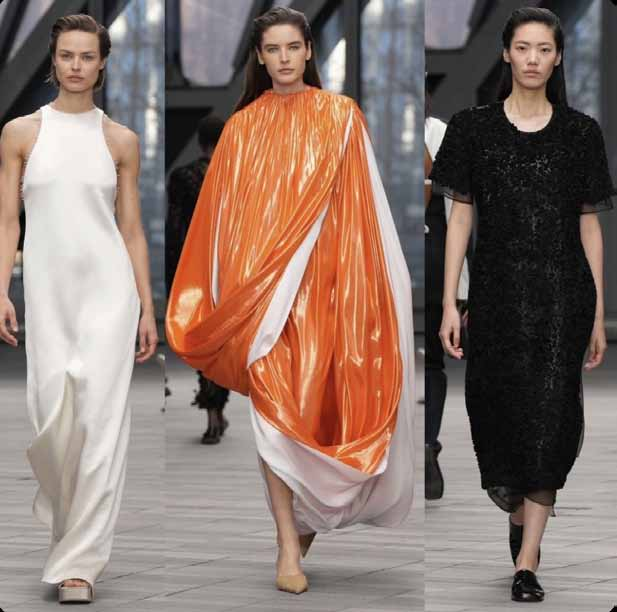
February in New York can be harsh. The wind from the Hudson cuts through the cold, the streets of Manhattan are covered with snow, and the sky often takes on a cold gray-blue tone. Yet it is exactly in this atmosphere that the city hosts one of the most anticipated events of the global fashion industry every year — New York Fashion Week.
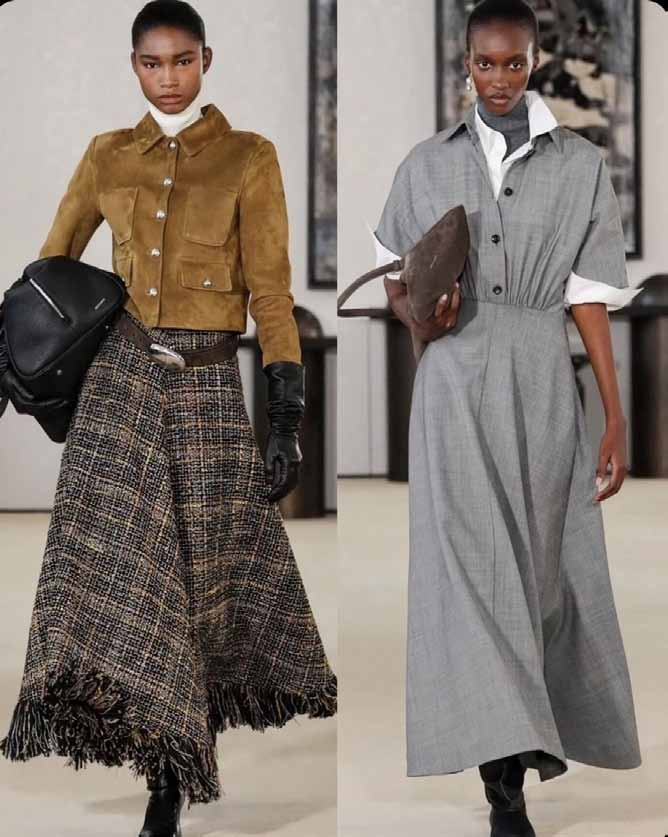
This season was no exception. Despite snowfall and freezing temperatures, the fashion world once again proved that style does not depend on the weather. Guests, journalists, influencers, and designers moved between venues through snowy streets, while inside the show spaces a completely different temperature ruled — the energy of creativity, inspiration, and fashion experimentation.
New York Fashion Week traditionally opens the international fashion season and sets the tone for the weeks that follow in London, Milan, and Paris. It is here that the first hints of upcoming trends appear, new names emerge, and a dialogue between fashion, culture, and modern society takes place.\
The Locations Where Fashion Is Born
The format of New York Fashion Week has changed noticeably in recent years. While in the past most shows took place in one central venue, today designers increasingly choose unique locations, turning their presentations into full cultural events.
One of the key spaces remains Spring Studios in Tribeca — a venue where many shows, presentations, and industry meetings take place. However, this season fashion moved far beyond its traditional spaces.
Some brands chose industrial locations, art galleries, and historic Manhattan buildings. Shows were held in former factory spaces, contemporary art venues, and creative studios, creating a unique atmosphere — a mix of fashion, architecture, and art.
These locations make the shows more intimate and at the same time more conceptual. Each designer creates not just a runway, but an entire story in which clothing becomes part of an artistic statement.
Spring Trends: Femininity and Strength

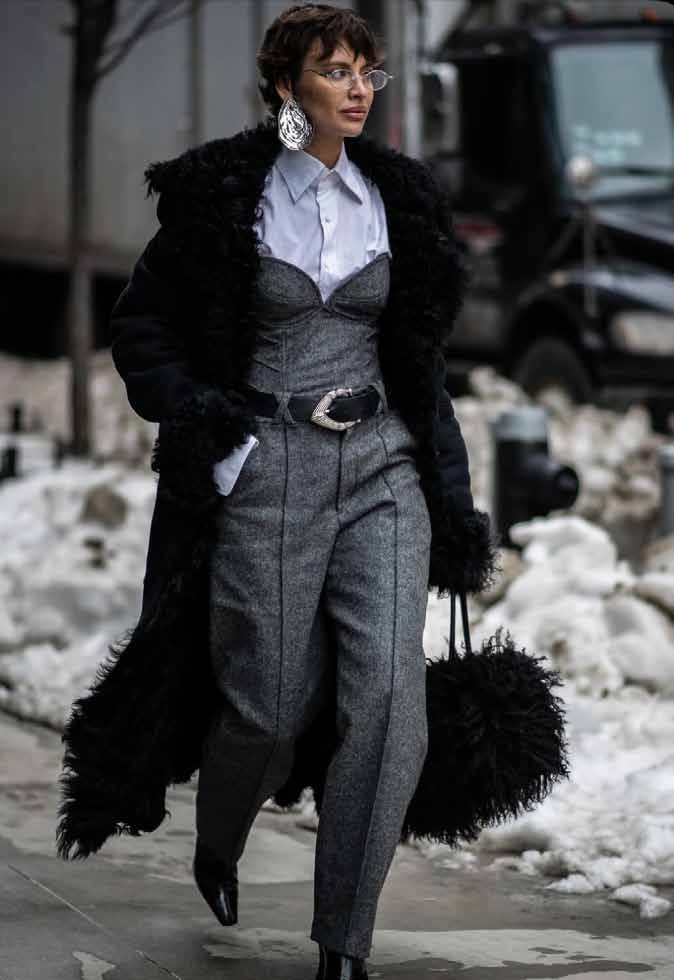
The spring-summer collections showed that fashion is gradually moving away from the strict minimalism of recent years and returning to emotion and expression.
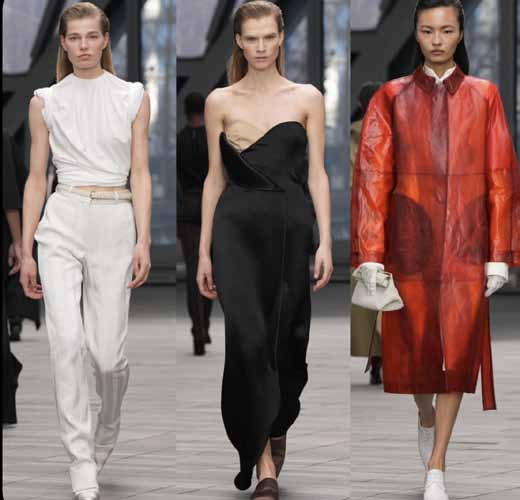
One of the main trends was romantic silhouettes. Light fabrics, sheer materials, flowing dresses, and complex draping reappeared on the runways. Fashion is becoming more poetic and sensual again.
At the same time, many designers explored the theme of female strength. This was expressed through the combination of soft fabrics and structured elements: corsets paired with airy skirts, tailored jackets with transparent materials, and business suits with more fluid and feminine shapes.
The color palette of the season also became bolder. Alongside classic black, white, and beige, designers активно used saturated tones — bright red, cobalt blue, deep pink, and metallic textures.
Another noticeable trend was the return of corset aesthetics and decorative details. Many collections reminded us that fashion is a form of art where not only lines and fabrics matter, but also the emotional impact.
Ukrainian Designers on the New York Runway
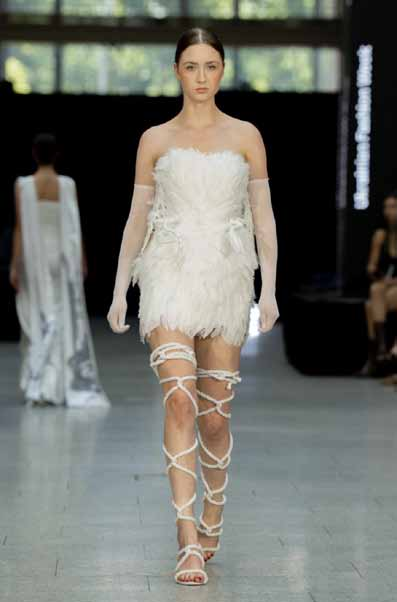

In recent years Ukrainian fashion has become increasingly visible on the international stage, and New York Fashion Week has become one of the platforms where Ukrainian designers can present themselves.
One of the events of the season was the Fashion 4 Ukraine project, which brings together designers, models, and industry professionals to introduce Ukrainian fashion to an international audience.
The project appeared as a way to support Ukrainian designers while also telling the world about Ukrainian culture through fashion. The shows gather media representatives, stylists, influencers, and industry professionals, creating a space for cultural dialogue.
One of the shows featured designers such as Mary Witch Corsets, Anna Yudaeva Couture, Ira Lysa, and Sarasvaty Lingerie. Their collections combined different aesthetics — from sensual femininity to more dramatic and conceptual looks.
For many designers, participation in such a project is not only an opportunity to present a collection but also a way to communicate a deeper meaning. In this context fashion becomes a form of cultural expression.
Fashion as a Form of Support
An important part of the project was its charitable component. During the event, funds were raised to support Ukrainian charitable initiatives.
Part of the funds helps children affected by the war, as well as rehabilitation and educational programs. In this way the fashion show becomes not only an aesthetic event but also a social initiative.
The evening gained a special atmosphere thanks to the participation of people from different countries — stylists, makeup artists, models, and organizers who supported the project and helped bring it to life in New York.
This once again demonstrates that the modern fashion industry increasingly combines creativity with social responsibility.
Street Style Despite the Snow
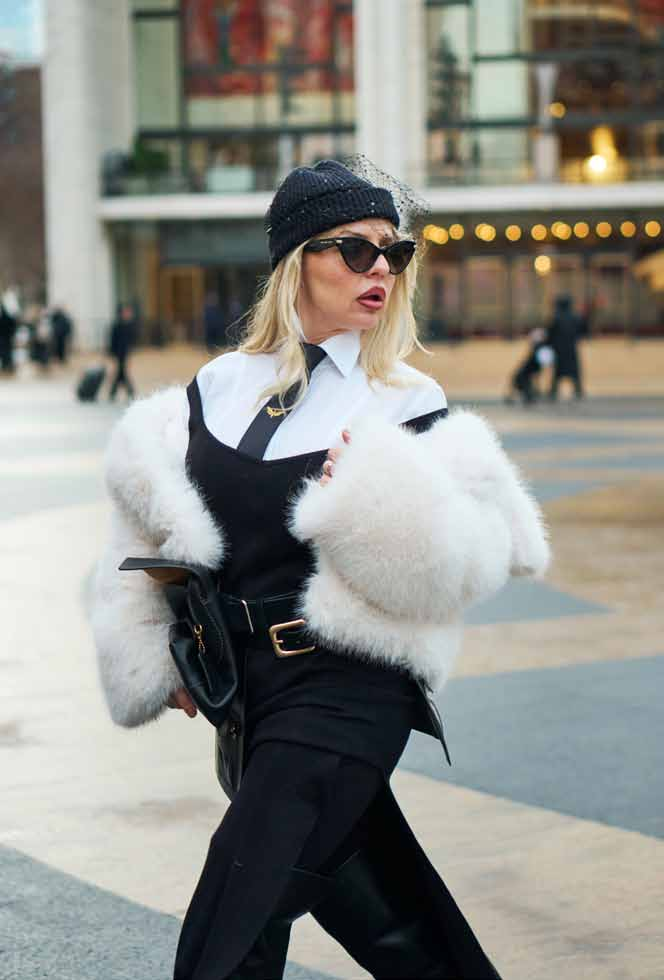
Although the weather conditions this season were far from comfortable, the streets around the shows still did not remain without fashion life. Even under snow and cold wind, guests of Fashion Week continued experimenting with style.
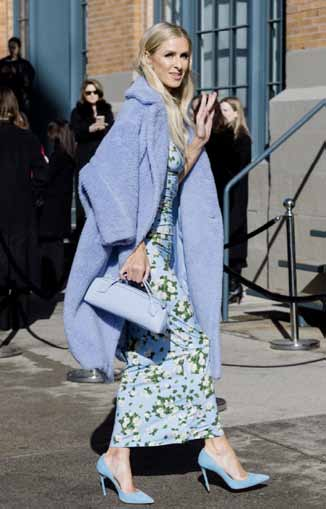
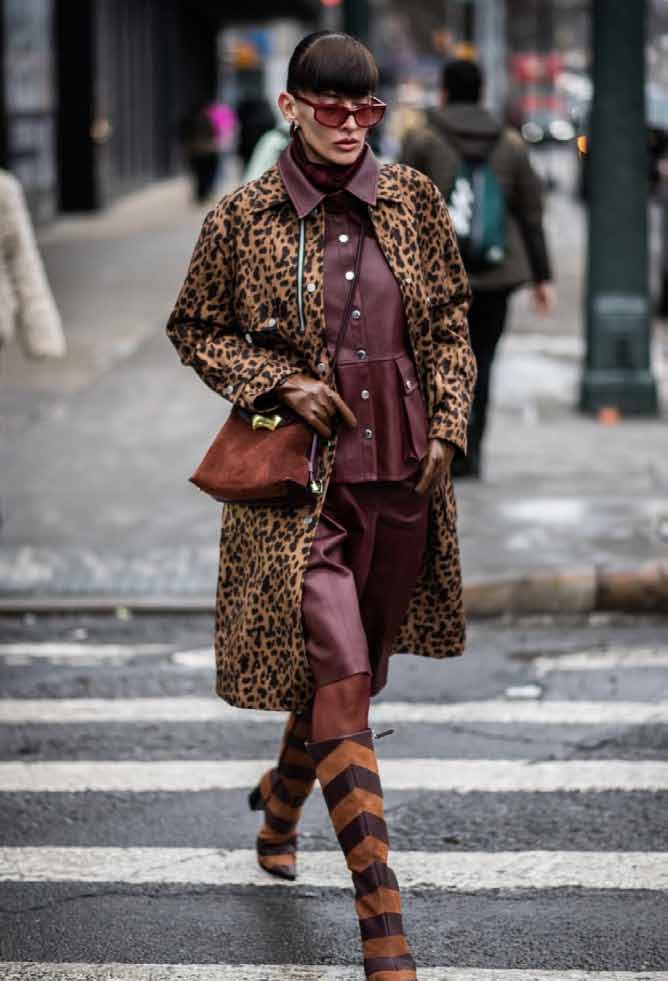
Street style this time was more intimate, but no less interesting. Warm coats, layering, expressive accessories, and bold color combinations created a special atmosphere — style adapted to a real New York winter.
Despite the weather, photographers still captured striking looks of fashion week guests. For many participants this remains an important part of the event — an opportunity to show their style beyond the runway.
And I also became part of this small street style movement. Even in snowy New York, fashion continues to live on the streets — where it feels especially natural.