

Author: Anastasiia Hewitt, stylist and visual positioning expert

We live in a world where first impressions are formed within 3 seconds. Even before you start talking about your ideas, achievements, and ambitions, the person across from you has already unconsciously assessed: are you a professional or not, do you inspire trust or doubt, are you “one of us” or not? And they do this automatically — by your style.
Style is the visual language of business
Clothing is not just fabric. It’s a subconscious message about your status, level of awareness, values, power, ambition, and… intent. Your appearance says: “I know who I am and why I’m here”. Or the opposite: “I’m not confident in myself and I’m not sure how to present my offer”.
When your appearance doesn’t match your words, the other person experiences an internal conflict. They may not even realize what unsettled them, but they will instinctively pull away. This is especially critical in negotiations, sales, public speaking, fundraising, or building a personal brand.
Mismatched style = loss of trust
If you’re talking about structure, systems, and efficiency, but wearing casual, overly relaxed or colorful clothing, the brain detects dissonance.
If you’re asking for investment, yet wearing flashy jewelry, prominent logos, and a loud look — that can raise doubts: “Where will my money go?”
Style is not about being trendy or not. It’s your portfolio. It’s your visual business plan. It’s a continuation of your strategy.
Style depends on scale and industry
Of course, there’s no one-size-fits-all approach. Each industry has its own dress codes. What works for a tech startup may not work for a bank negotiation. But there are universal principles:
- Consistency. Your style must match what you communicate. People trust those who feel authentic.
- Clarity. Minimize distractions. Maximize meaning.
- Context awareness. Dressing appropriately shows respect — for the moment, the people, the money, and the scale.
Key style elements to pay attention to:

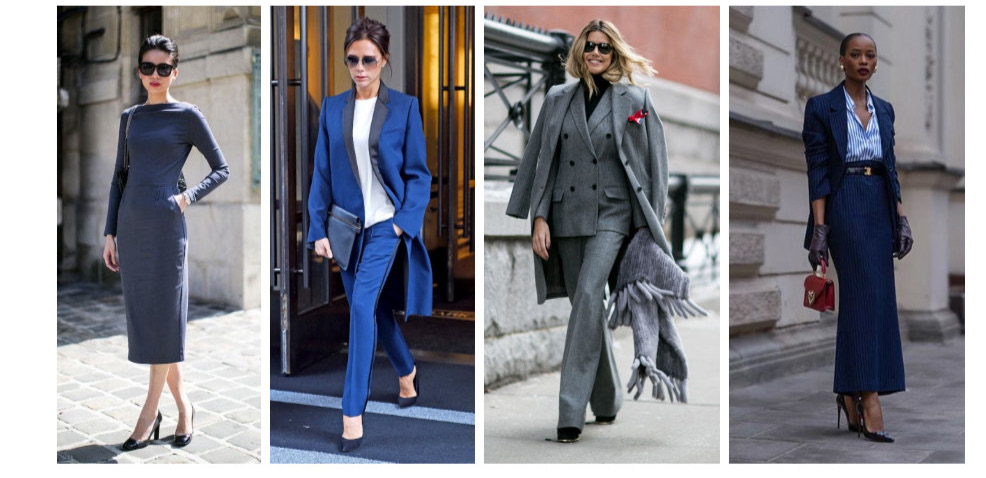
- Structure and silhouette. Sharp lines, structured fabrics, a proper fit — all of this conveys competence and control. A straight, tailored silhouette signals focus, composure, and serious intent. The subconscious reads this as strength and reliability.
- Color. Deep and neutral tones build authority. If you want to look truly expensive — go for high-contrast combinations. Black and white is timeless: it subconsciously communicates discipline, clarity, and high status. These colors are perceived as “premium”, especially when styled minimally and in high-quality fabrics.
- Cleanliness and grooming. It may sound obvious, but it’s often overlooked. A wrinkled shirt or scuffed shoes can negate even the strongest message. Your clothes should not only be clean, but fresh, pressed, properly fitted, and radiate care and self-respect.
- Online presence. Your social media profile is your business card — especially if you are building a personal brand. Everything — from color palette to background — should support your positioning.
- Documents and presentations. Everything you share — from pitch decks to your Instagram profile or a talent visa application — is also part of your visual strategy. Presentation matters: colors, fonts, layout, photos — it all shapes perception. This is even more important when you don’t have the chance to make a live impression. For example, when applying for a talent visa, your photo may be the first (and only) impression someone forms of you. You won’t meet the officer reviewing your file, but they will see your image. And their subconscious will instantly decide: do you seem trustworthy, respected, compelling — or not?
The same logic applies to emails, social media, and video calls. When your style doesn’t match your substance, people feel that disconnect — even if they can’t explain it. But when style and message align, trust grows instantly.
Style as strategy
Investors, partners, and clients are always reading you — visually. Your job is to shape that perception intentionally, not leave it to chance. Style is not surface — it’s strategic. It works on the level of trust, scale, and energy.
To make your business style work for you, start with the basics — a wardrobe audit. It’s not about throwing everything out. It’s about conscious editing. Keep only the items that:
- match your professional positioning;
- suit your body shape;
- are relevant and current;
- help you look composed, confident, and clear.

A stylist can help you not just assemble a working wardrobe, but also build a strong, memorable image — especially if you often speak publicly. In this case, visual anchors become essential: unique elements that make you recognizable, spark recall, and reinforce your personal brand.
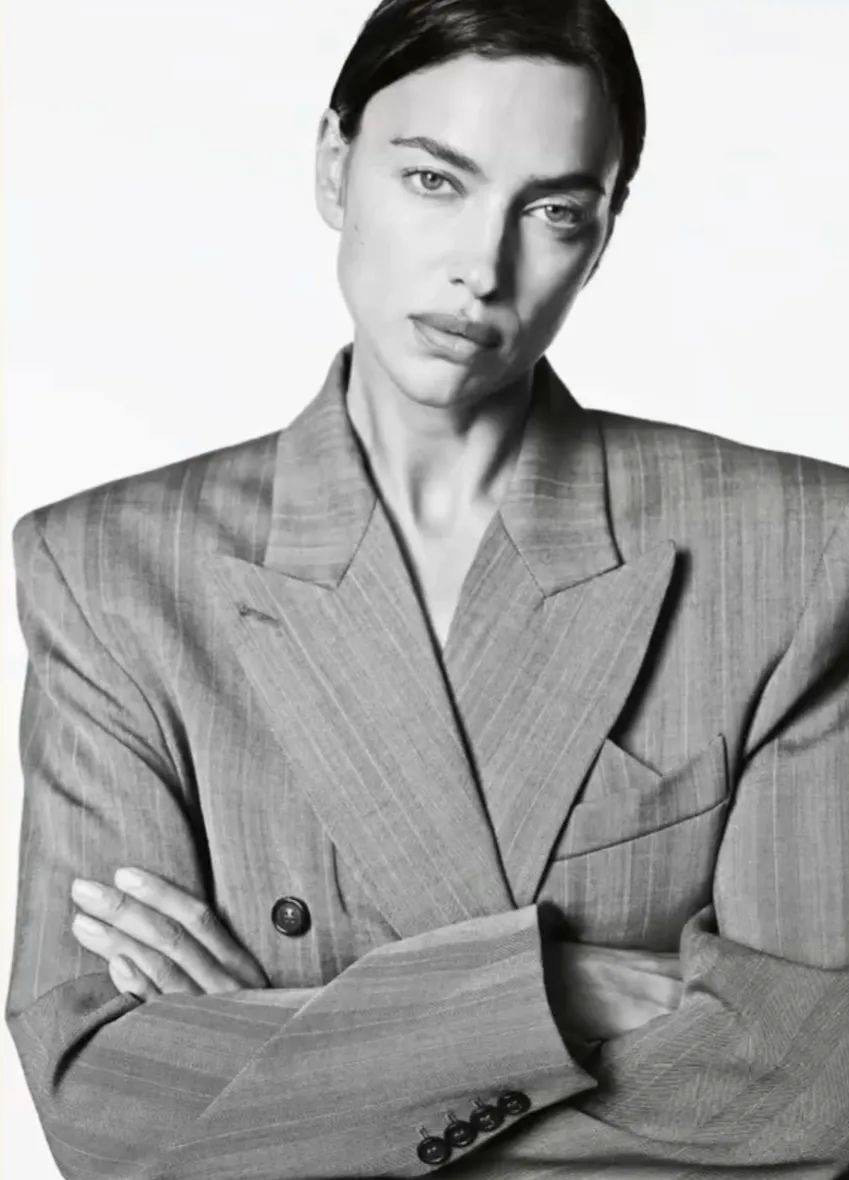
For women, especially in formal or male-dominated spaces, clothing becomes a powerful positioning tool. If you want to be taken seriously — create a more closed, structured silhouette. This doesn’t mean abandoning femininity. It means expressing strength through elegance.