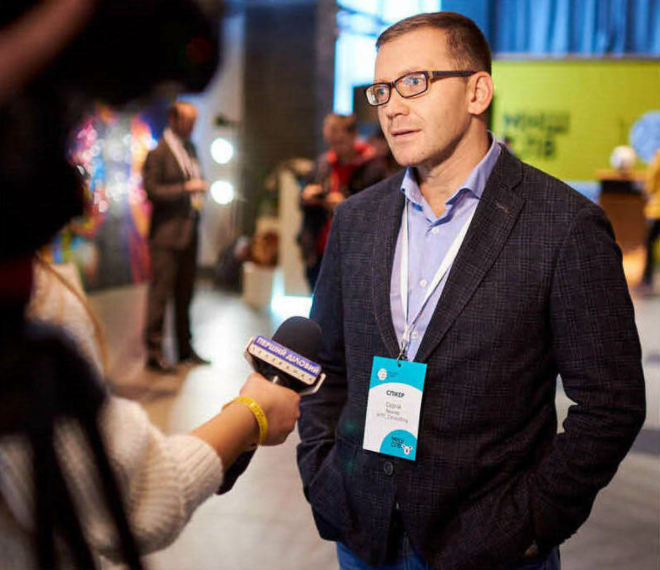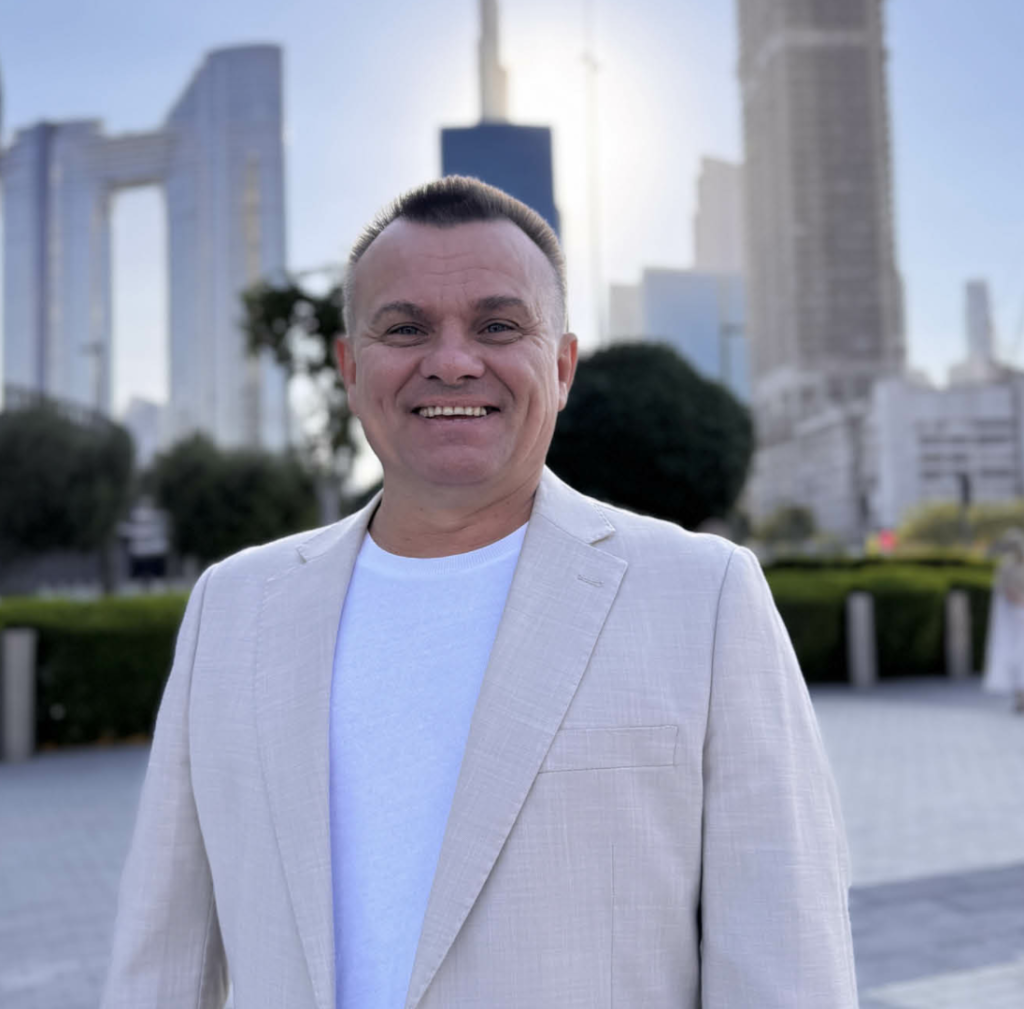
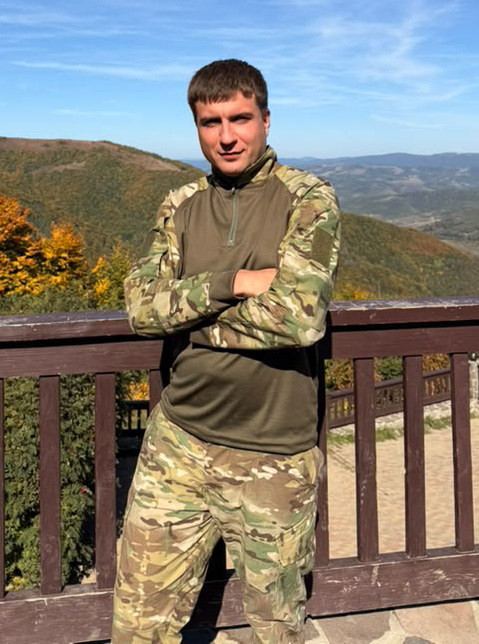
By Artem Tykhonskyi, Ukrainian service member, former prisoner of war, and advocate for long-term recovery and reintegration.
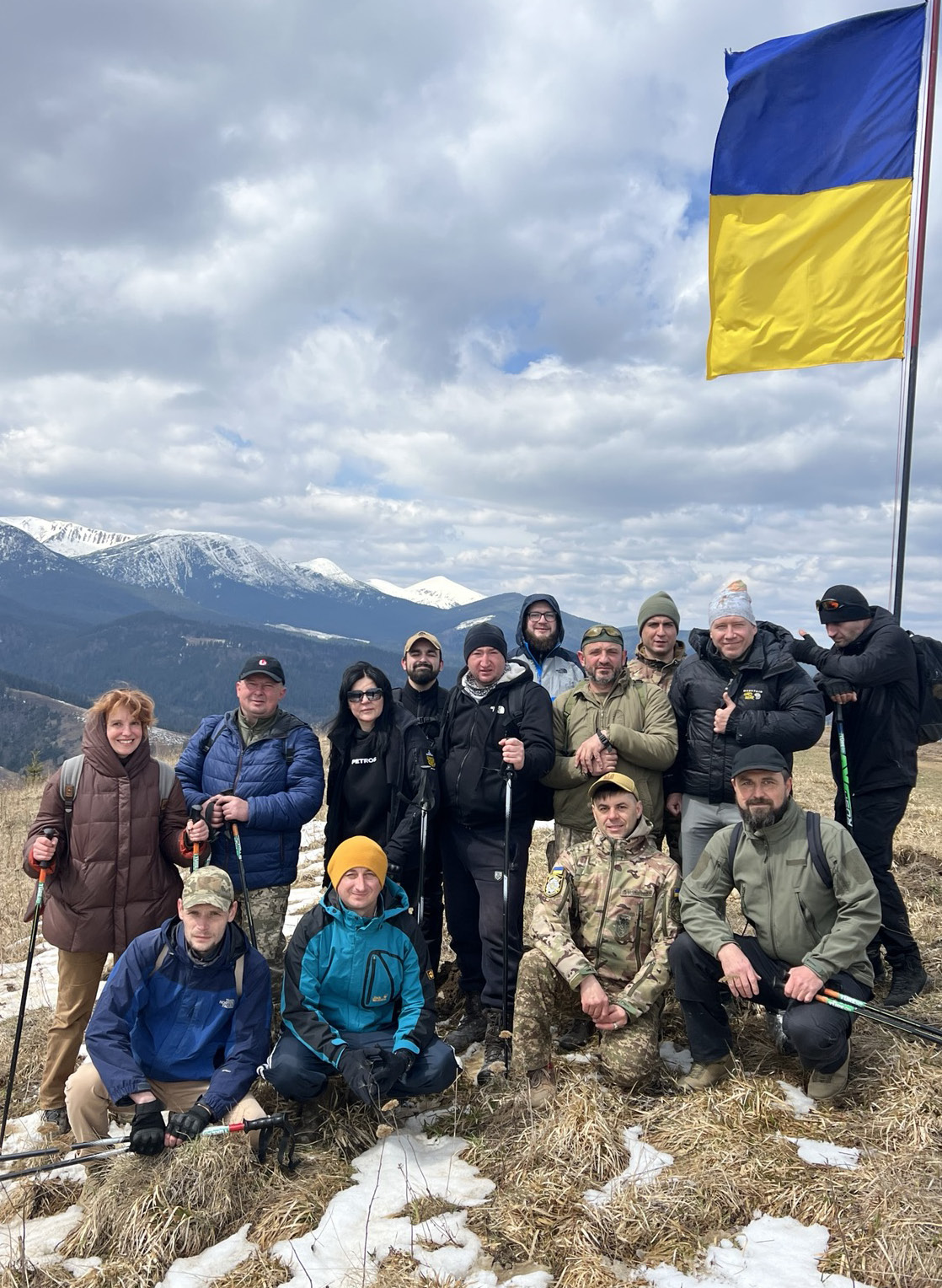
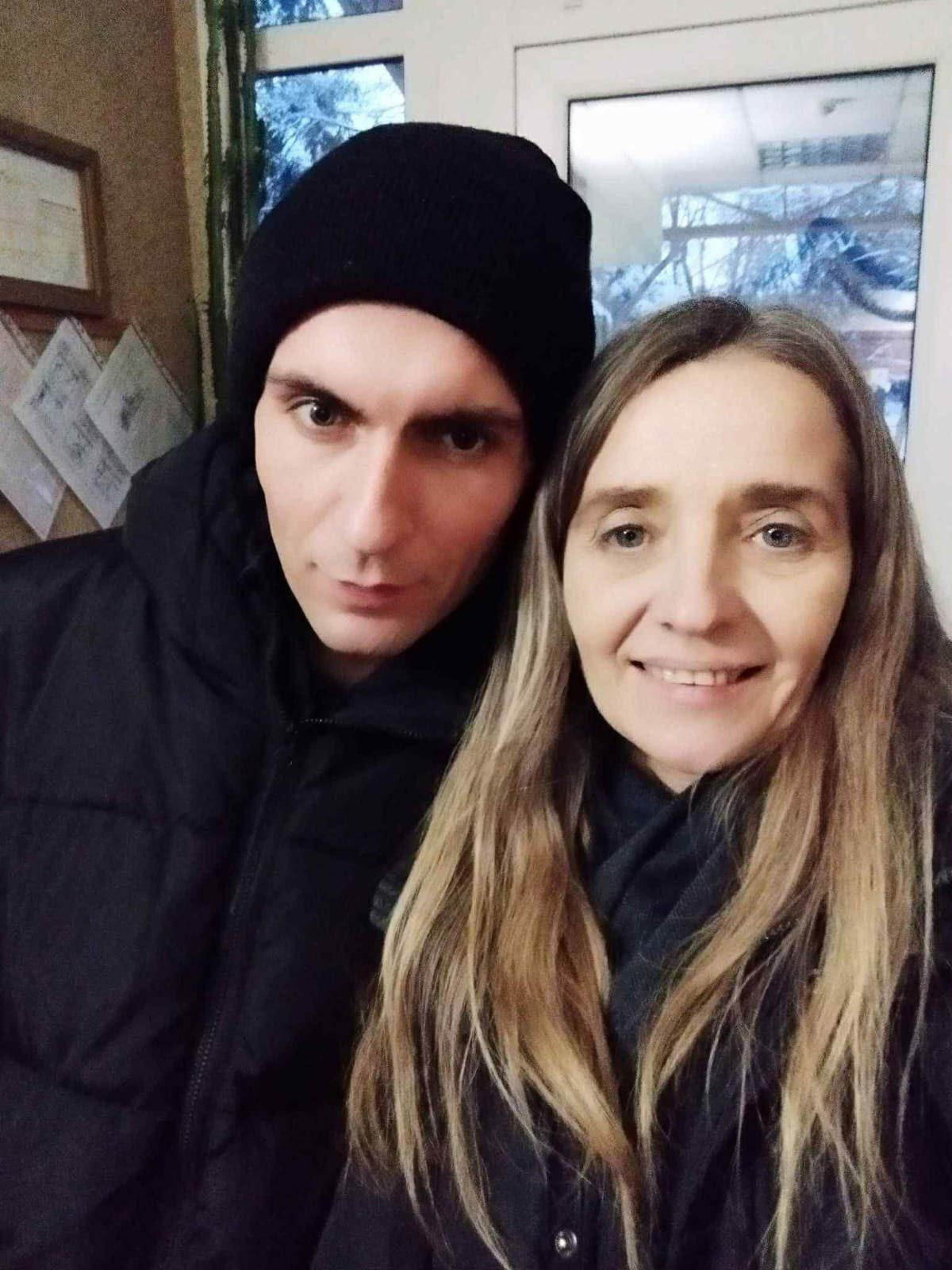
Freedom Is the Beginning of a New Journey
Iknow what it means to lose the world you once knew and to learn how to live again when it feels as though life itself has stopped. My name is Artem Tykhonskyi. In 2022, I was taken captive by Russian forces. On December 30, 2024, I was released. Those dates mark an experience that words can never fully capture. After returning to freedom, I faced another difficult chapter: a long process of physical, psychological, and emotional rehabilitation.
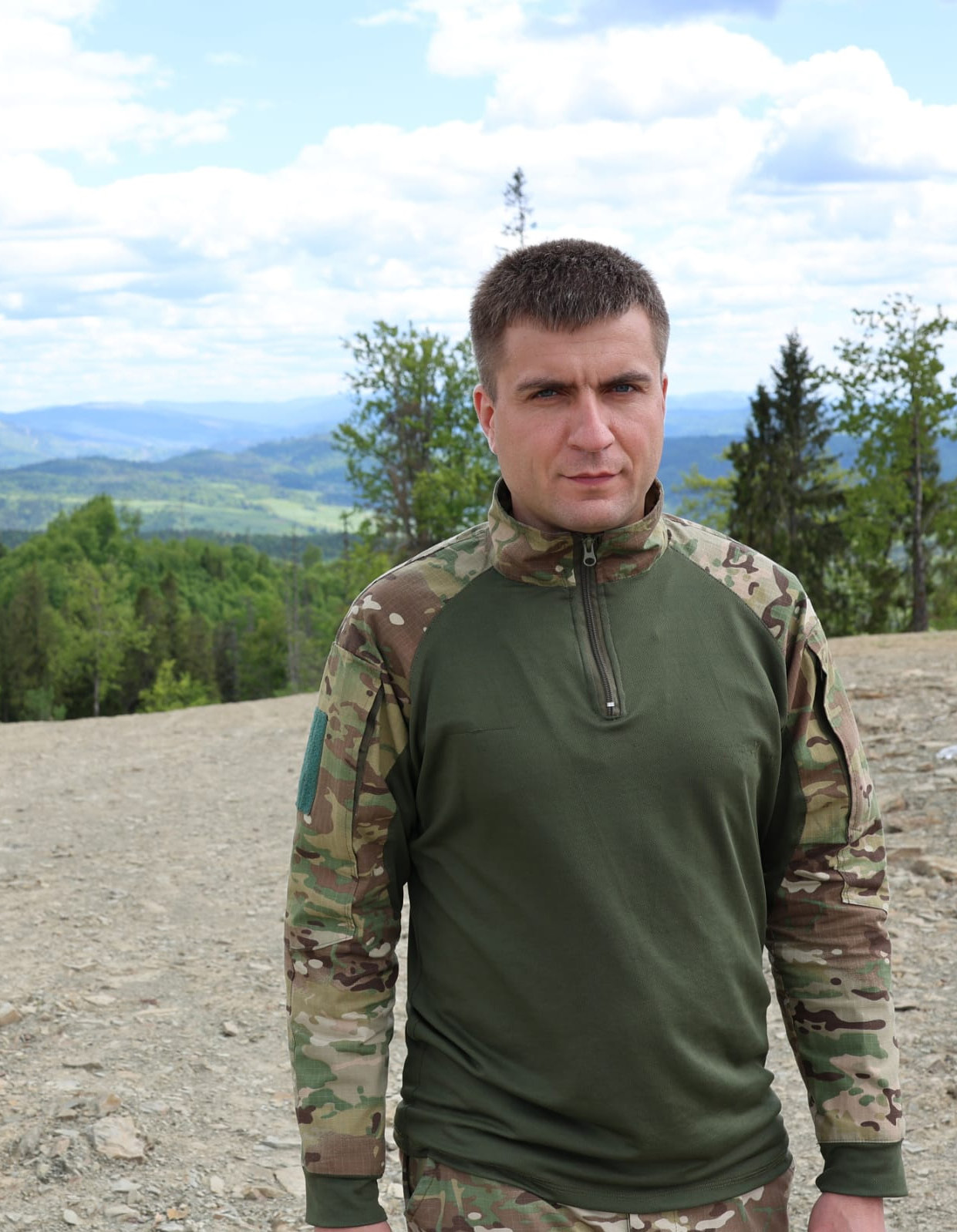
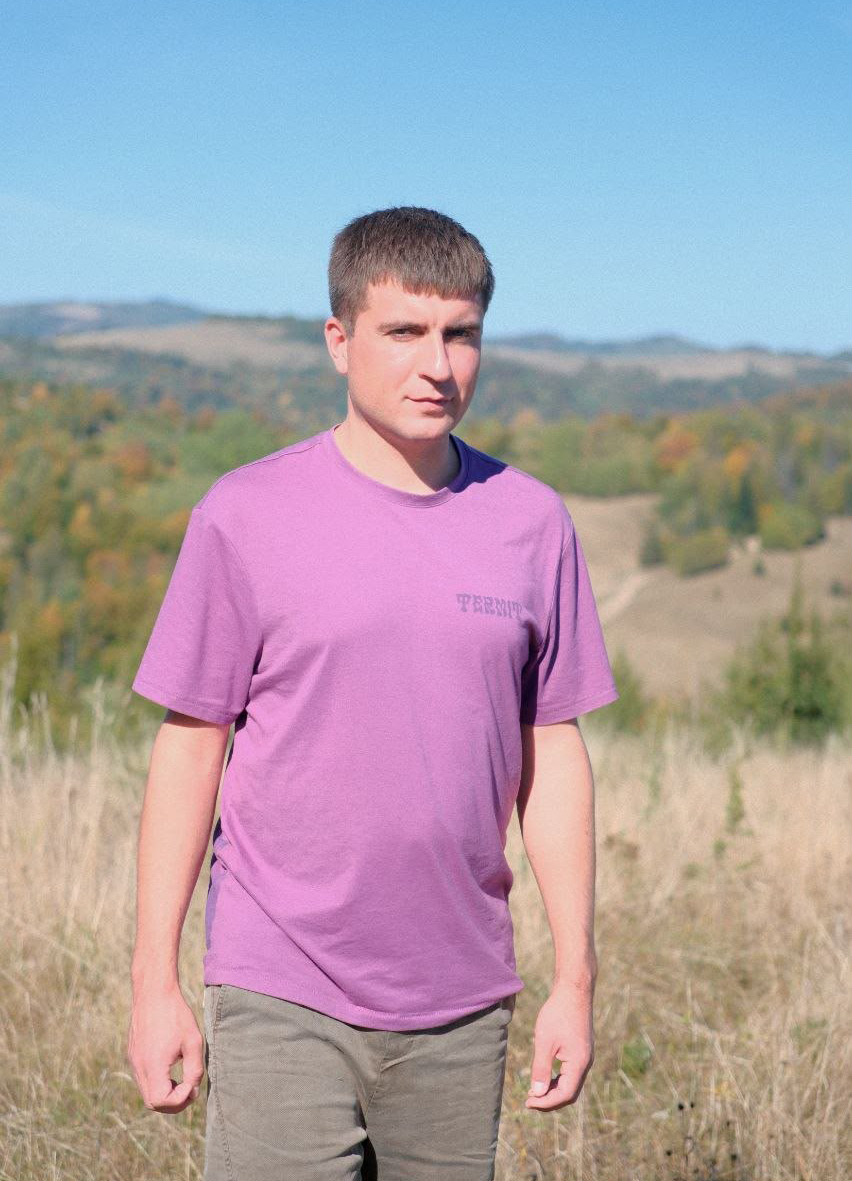
We often think of release from captivity as the happy ending to a painful story. In reality, it is only the beginning of a new chapter. A person may return home without immediately feeling at home. The body needs medical care. The mind needs time and safety. And the spirit needs the chance to believe again — in other people, in the future, and in its own strength.
I know this not from books or professional recommendations, but from personal experience. That is why I believe support for veterans, former prisoners of war, and families of service members missing in action must be more than a formality. It must be a coordinated, long-term system of care that restores not only a person’s health, but also their sense of worth, freedom of choice, and hope for the future.
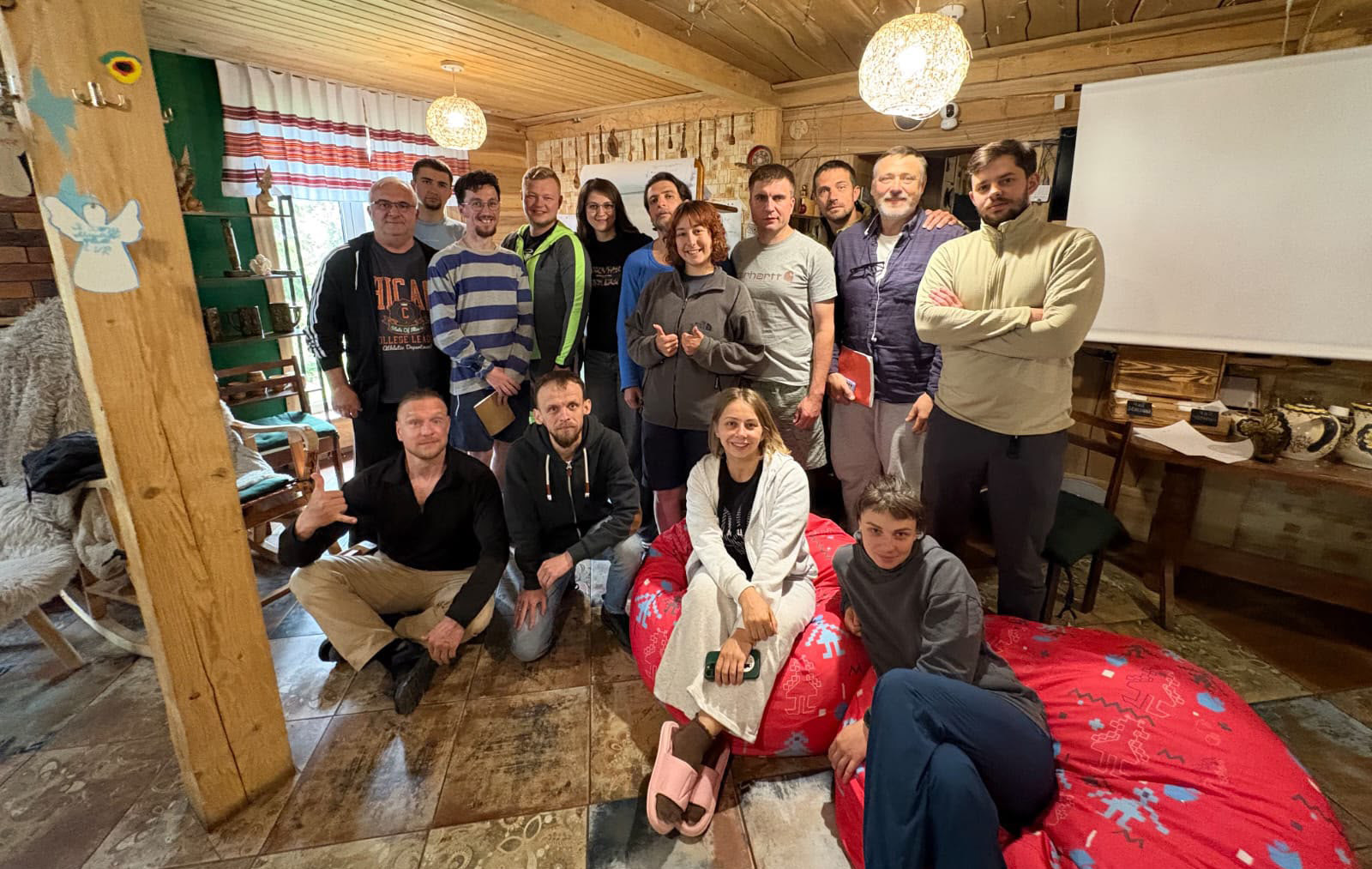
Bringing someone home from war is not enough. We must also help them find their way back to life.
The Wounds We Cannot Always See
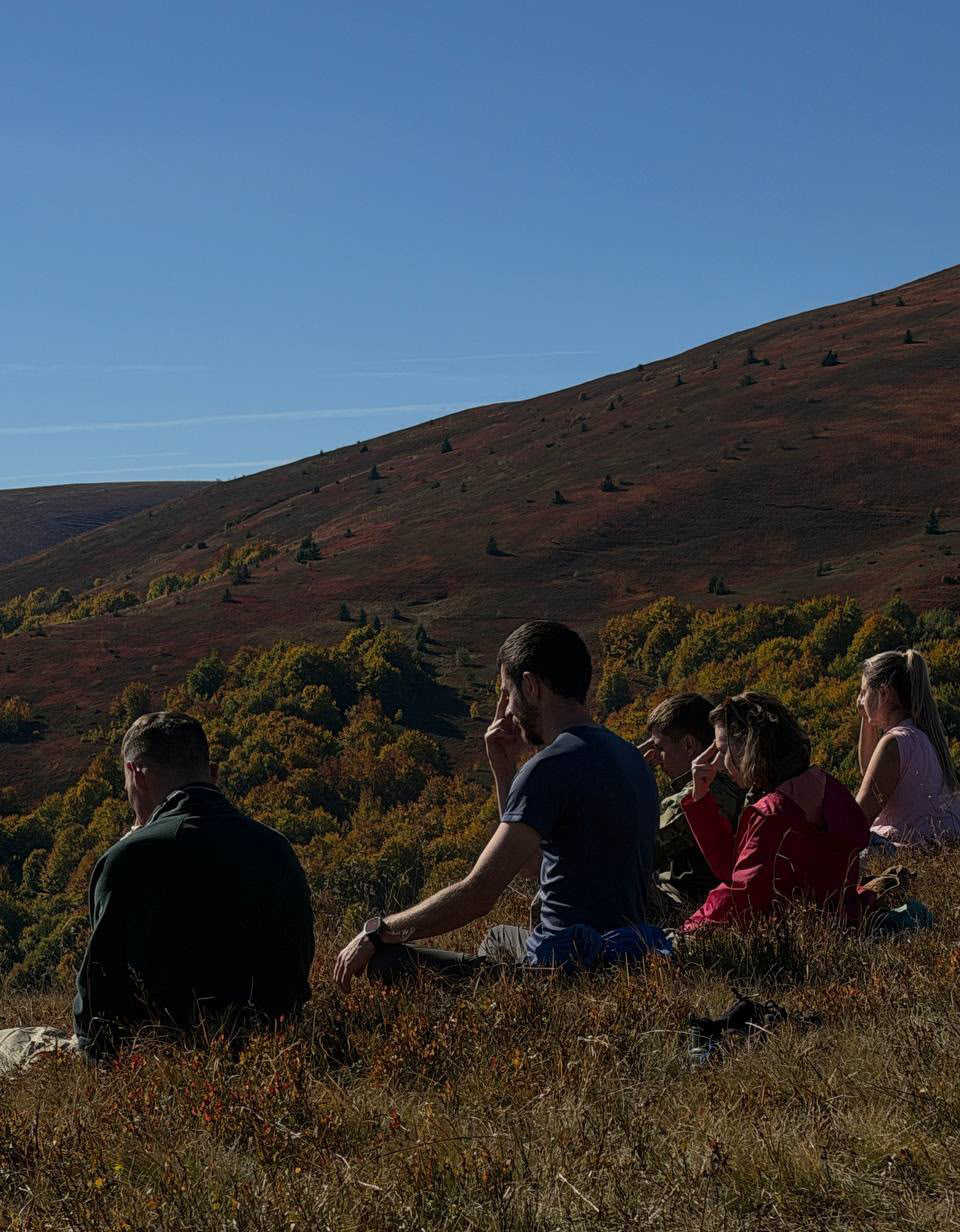 Ukrainian veterans face challenges that can transform their physical health, worldview, relationships, and expectations for the future. For some, returning home means learning to live with combat injuries or a disability. For others, it means finding their place again after losing fellow service members, a familiar team, or the sense that they still have a meaningful role to play. Many also face difficulties finding employment, securing housing, navigating paperwork, and accessing quality rehabilitation.
Those who have survived captivity need particular understanding. Even after release, the effects of what they endured may surface as insomnia, anxiety, exhaustion, difficulty concentrating, or challenges in social interactions. Reintegrating into civilian life takes time. No one should expect a person to become exactly who they were before the war overnight. Nor should we measure someone’s strength by how successfully they conceal their pain.
Families of service members missing in action face a different but equally devastating ordeal. For months or even years, they may live suspended between hope and fear, waiting for news, searching for information, contacting government agencies, and trying to maintain some semblance of normal life. The uncertainty takes an enormous emotional toll. Without clear guidance and consistent support, families are often left to navigate complex bureaucratic systems precisely when they are least equipped to do so alone.
These experiences share one essential truth: no one should have to face the aftermath of war in isolation. Support should begin when a person first reaches out — not only when a crisis occurs — and continue for as long as it is genuinely needed.
From Recovery to New Possibilities
I believe an effective support system must bring together medical care, psychological rehabilitation, social services, education, sports, and economic opportunity. It is not enough to offer someone an isolated service. We must help them move from their first request for assistance toward meaningful, lasting progress.
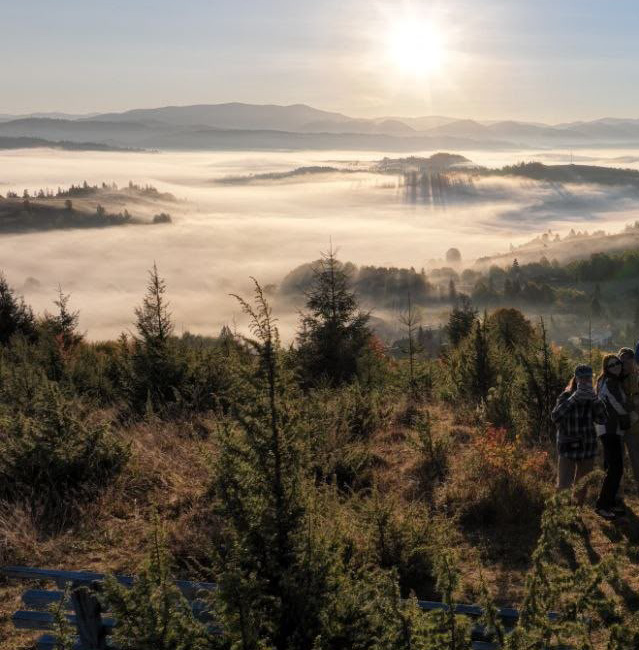
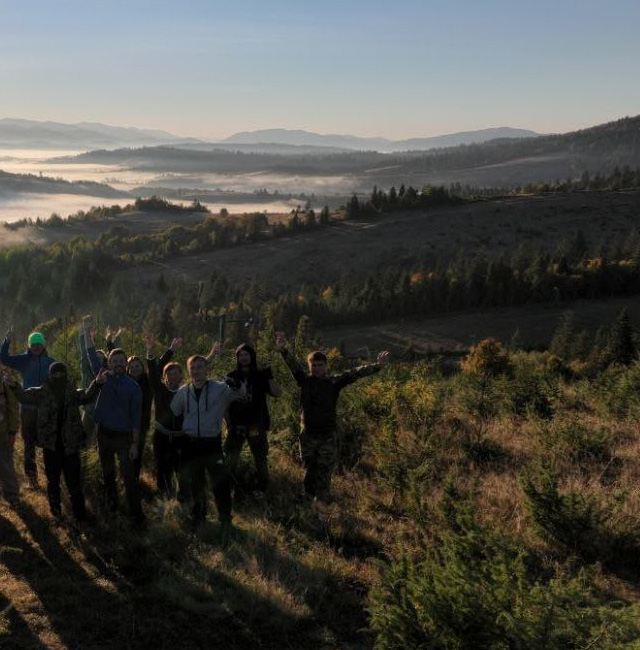
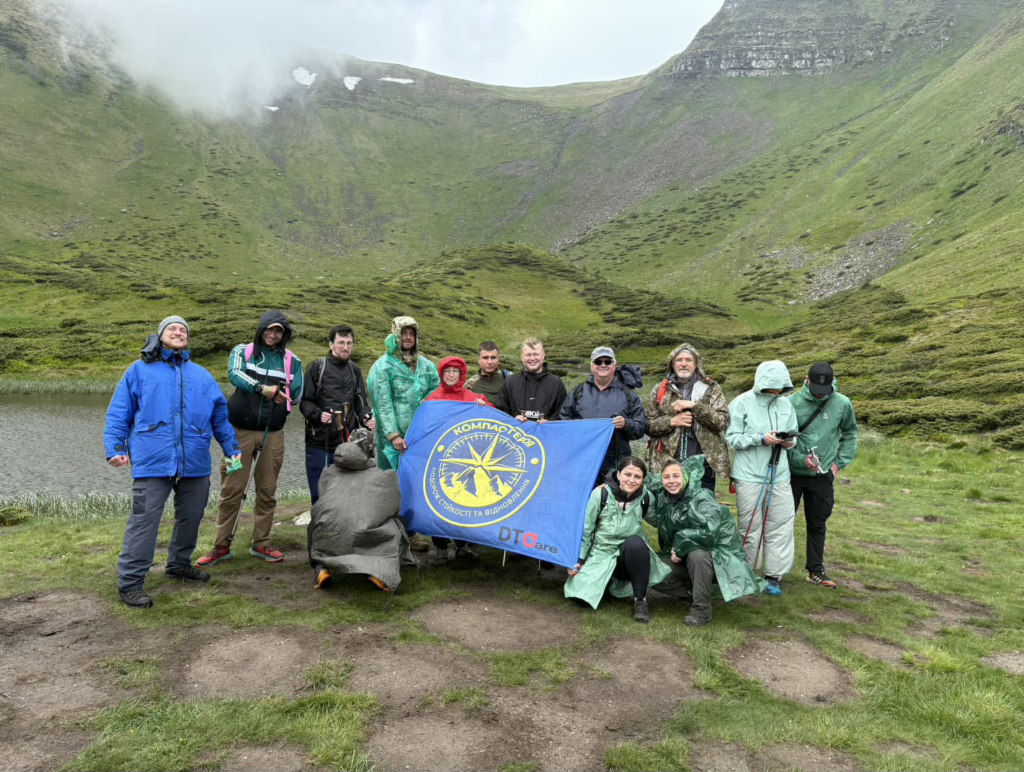
Retreats and psychological recovery. Sometimes, the first step toward finding yourself again is simply having a place to be still. Time in nature, fresh air, a calmer daily rhythm, a safe environment, and access to professional psychological support can help ease the internal tension that so often follows trauma.
Retreats for veterans, former POWs, and their families should be more than opportunities to take a break. They should offer a supportive environment where people can finally exhale, spend time with others who understand their experiences, and begin rebuilding their inner sense of stability.
A retreat is not a substitute for medical treatment or ongoing psychotherapy when those are needed. It is one component of a comprehensive recovery approach — one that should be accessible, appropriate to each person’s needs, and safe.
Adaptive sports. Physical activity can be an important step toward regaining a sense of control over one’s body. Adaptive training, swimming, accessible fitness programs, team sports, and competitions can help people rebuild physical abilities in ways that account for their health and individual circumstances.
But the value of sports goes far beyond physical performance. It gives people a tangible sense of progress, helps them recognize their own achievements, creates new social connections, and restores the feeling of belonging to a team.
The goal is not to demand records or prove one’s strength to anyone else. It is to discover what remains possible, overcome barriers at an individual pace, and experience the satisfaction of realizing that today, you can do something you could not do yesterday.
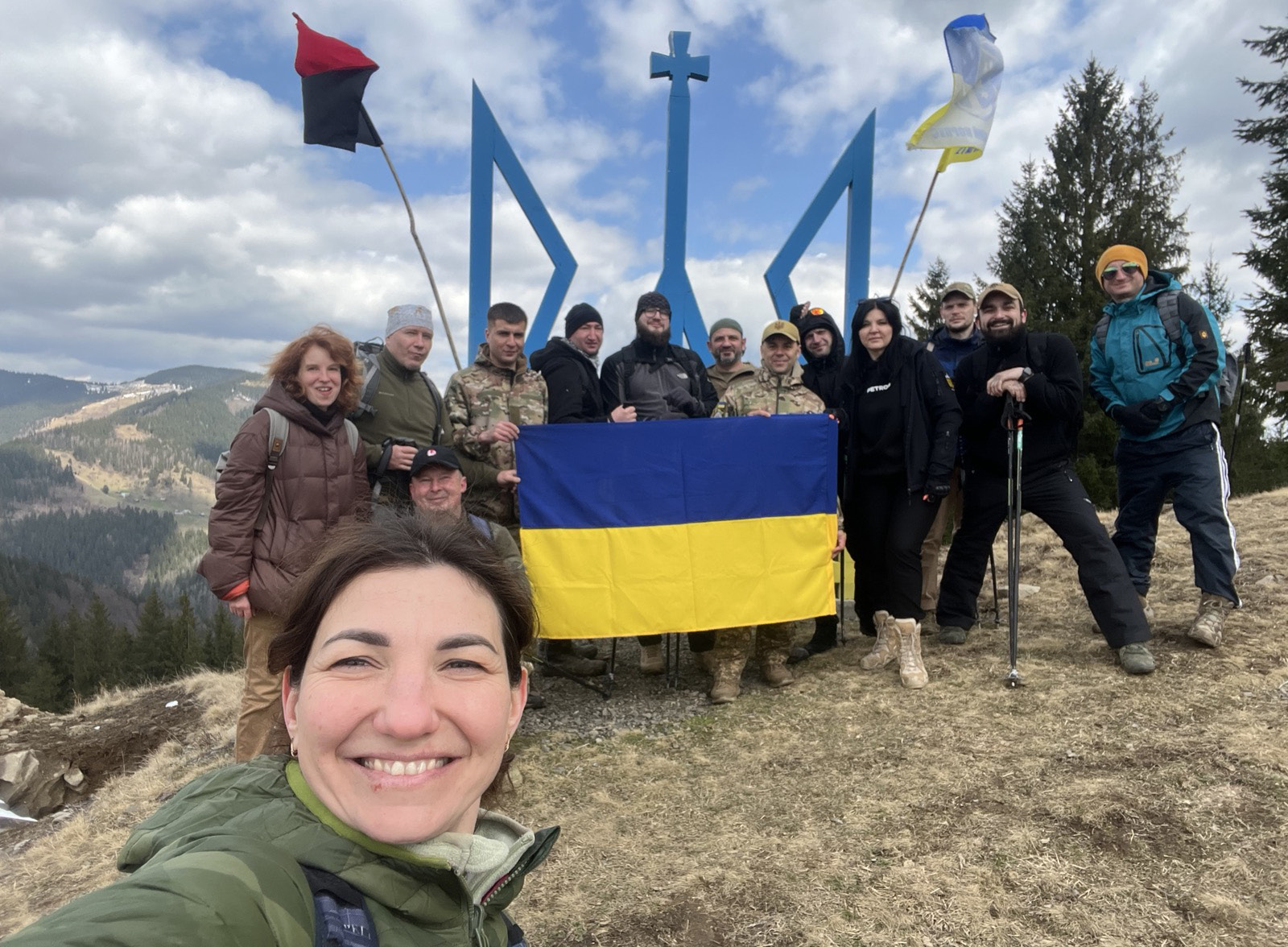
Education and a new professional direction. Returning to civilian life often requires new goals and a new sense of direction. Some people need to refresh their existing qualifications. Others want to learn new technologies, while some discover professions they had never previously considered.
Veterans and former POWs should have access to career counseling, affordable or tuition-free education, retraining programs, language courses, and professional development opportunities.
Education restores a sense of possibility. It allows people to see themselves not only through the lens of what they have endured, but also through what they can still create. Training programs must account for a person’s health, circumstances, and previous experience rather than offering the same solution to everyone.
 Employment and entrepreneurship. Work is about more than earning a paycheck. It provides indepen-
dence, social connection, a sense of contribution, and the opportunity to build a future. Veterans need employers who are willing to make reasonable workplace accommodations, recognize their skills without prejudice, and create opportunities for professional growth.
We must also support those who want to start their own businesses. Grants, accessible financing, business mentoring, and legal and accounting assistance can help veterans turn their experience, discipline, and leadership skills into successful enterprises.
A veteran should have the opportunity not only to seek employment, but also to become an employer — building a business, creating jobs, and contributing to the economic recovery of the country they defended.
I hold a master’s degree in applied mathematics, and I understand the value of knowledge, analytical thinking, and continuous learning. The war changed my life, but it did not erase my desire to dream, learn, or contribute. That is why I believe in approaches that do more than help people adjust to changed circumstances. They must also help them discover their own direction and realize their potential.
Support That Unites Ukraine and the World
Recovery must be continuous and coordinated. People should not have to retell the most painful chapters of their lives at every new appointment, repeatedly prove that they deserve help, or search on their own for dozens of different organizations.
 We need professionals who can coordinate medical, psychological, legal, and social services; help families of missing service members navigate official procedures; and support former POWs as they gradually rebuild their connections with society.
This responsibility does not belong to the government alone. Local communities, civil society organizations, businesses, medical and educational institutions, charitable foundations, and the Ukrainian diaspora all have a role to play.
International support can help fund rehabilitation programs, scholarships, adaptive sports, vocational training, veteran-owned businesses, and long-term assistance for families of service members whose whereabouts remain unknown.
We must also learn what it truly means to stand beside someone who has experienced trauma. Respect people rather than pity them. Ask what kind of help they need instead of imposing our own ideas. Do not demand that they return to their former lives on someone else’s timetable. And never reduce a person to their trauma, because behind every wartime experience is an individual with talents, dreams, and a future.
I survived captivity, and I know how difficult the road after release can be. But I also know that life does not end with what we have endured. It can gradually open up again through support, education, sports, meaningful work, friendship, and the freedom to determine our own path.
To Ukrainians around the world, I make this appeal: let us help those who defended our freedom experience freedom in their own lives again. Let us support those still waiting for news of loved ones and those who have returned but are still searching for their way back to themselves. Let us build lasting opportunities rather than rely on isolated acts of charity.
Ukraine’s strength lies not only in its ability to withstand war. It also lies in its ability to care for every person who has endured its hardships.
Our shared responsibility is to ensure that, after the darkest chapter, people have more than a chance to survive. They must have the opportunity to live, grow, love, work, create, and dream.
Because the true journey home is complete only when a person can once again feel that they matter, that they are heard and respected, and that a future awaits them. And that future is something we can build together.
From Words to Action: Together, We Can Help Rebuild Lives
We believe that true leadership is measured not only by knowledge, achievement, or professional recognition. It is measured by the willingness to stand beside people in their most difficult moments, take responsibility, and turn compassion into meaningful action.
 That is why the International Association of Scientists “INTELLECTUAL LEADERSHIP” is launching a social initiative called “Recovery for Heroes and Their Families”.
The initiative is dedicated to supporting Ukrainian veterans, former prisoners of war released from Russian captivity, families of fallen and missing service members, widows, and mothers raising children on their own who need additional support.
Our mission is to help people who have endured war, loss, and extraordinary hardship find the support they need to begin a new chapter of life. We aim to expand access to psychological recovery, civilian reintegration, restorative retreats, adaptive sports, education, vocational retraining, and employment opportunities.
We want our heroes and their families to receive more than words of gratitude. They deserve real opportunities to recover, develop new skills, work, raise their children, and build a future on their own terms.
This initiative is about dignity, humanity, and our shared responsibility to one another. No one should be left to navigate the aftermath of captivity, military service, or the loss of a loved one alone.
We invite Ukrainians in Ukraine and abroad, members of the Ukrainian diaspora, the international scientific community, business leaders, philanthropists, and everyone who cares about Ukraine’s future to join us.
Support “Recovery for Heroes and Their Families”. Your contribution can help create opportunities for psychological recovery, professional development, social reintegration, and a return to a fulfilling civilian life.
You do not have to make a large donation to make a difference. What matters is that each of us contributes what we can. Behind every donation is more than a monetary amount: it is an opportunity to help a real person take another step forward.
Join Our Fundraiser: “A Second Breath for Heroes”
We have established a charitable Monobank fundraising jar with a goal of UAH 100,000 to support veterans, former POWs, families of missing service members, widows, and mothers raising children on their own.
Fundraiser name: A Second Breath for Heroes
Fundraising goal: UAH 100,000
Monobank donation link:
send.monobank.ua/jar/7oaNLMd3Jc
Monobank jar card number:
4874 1000 2339 5182
For supporters in the United States who wish to contribute through Zelle, the listed recipient name is:
Zelle: Intellectualleadership
Please contact the Association to confirm the recipient’s payment details and any instructions before sending a Zelle contribution.
Our ambition is to build more than a one-time fundraiser. We want to establish a lasting initiative that brings individuals, organizations, and international partners together around a common purpose: restoring human potential and helping Ukraine build a stronger future.
We cannot erase what our heroes have endured. But together, we can help ensure that their future is not defined solely by the pain of their past.
We cannot bring the fallen back to their families. But we can support those who must learn to live with that loss. We cannot immediately end the uncertainty faced by families of missing service members. But we can stand beside them, help them navigate the challenges ahead, and make sure they do not have to face the waiting alone.
Helping our heroes recover is not only their personal journey. It is a test of our collective humanity.
And it is a test we must meet with dignity.
Together, we can do more than offer assistance. We can restore hope, open doors to new opportunities, and show people that life can continue even after the most difficult experiences.
Let us stand with those who defended our future. Let us help them build their own.
International Association of Scientists “INTELLECTUAL LEADERSHIP”
“Recovery for Heroes and Their Families” — helping people find a second breath, reclaim their dignity, and build a future.