
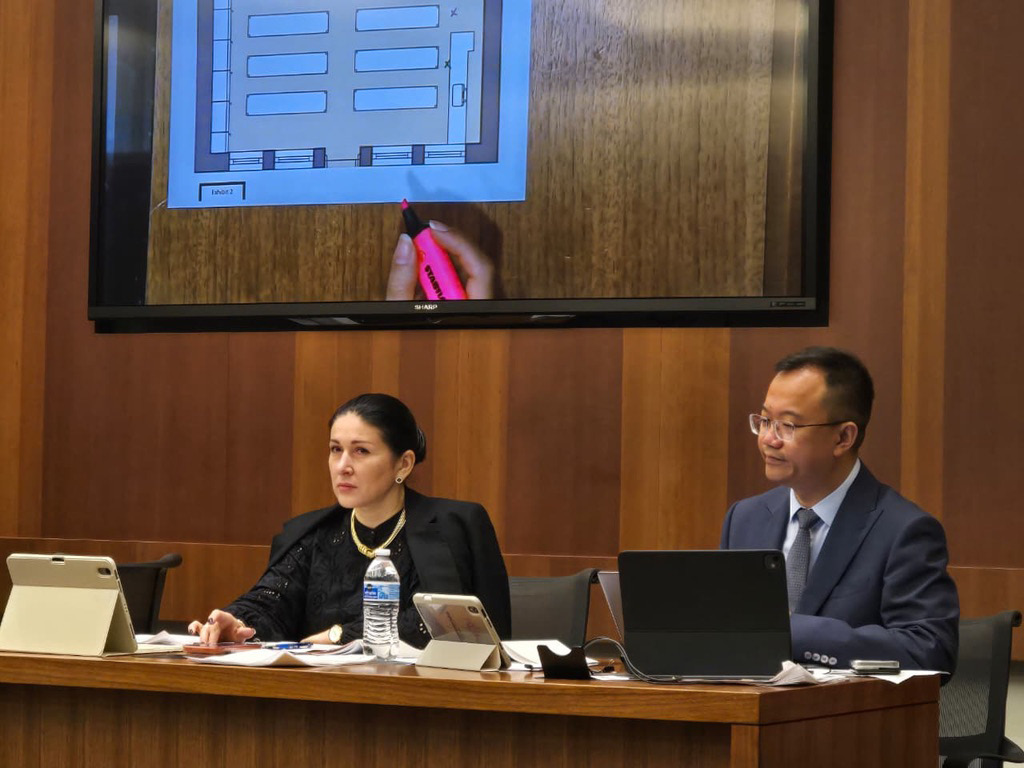
When a person first enters a courtroom in the United States, they are often surprised not only by the order in the room, but also by the atmosphere of the process itself. The judge asks few questions, the parties actively argue their positions, and every word of the attorney matters. In a Ukrainian courtroom, the picture is different. There, the judge more often intervenes, clarifies, and guides the process. This is not accidental, but reflects two different models of justice.
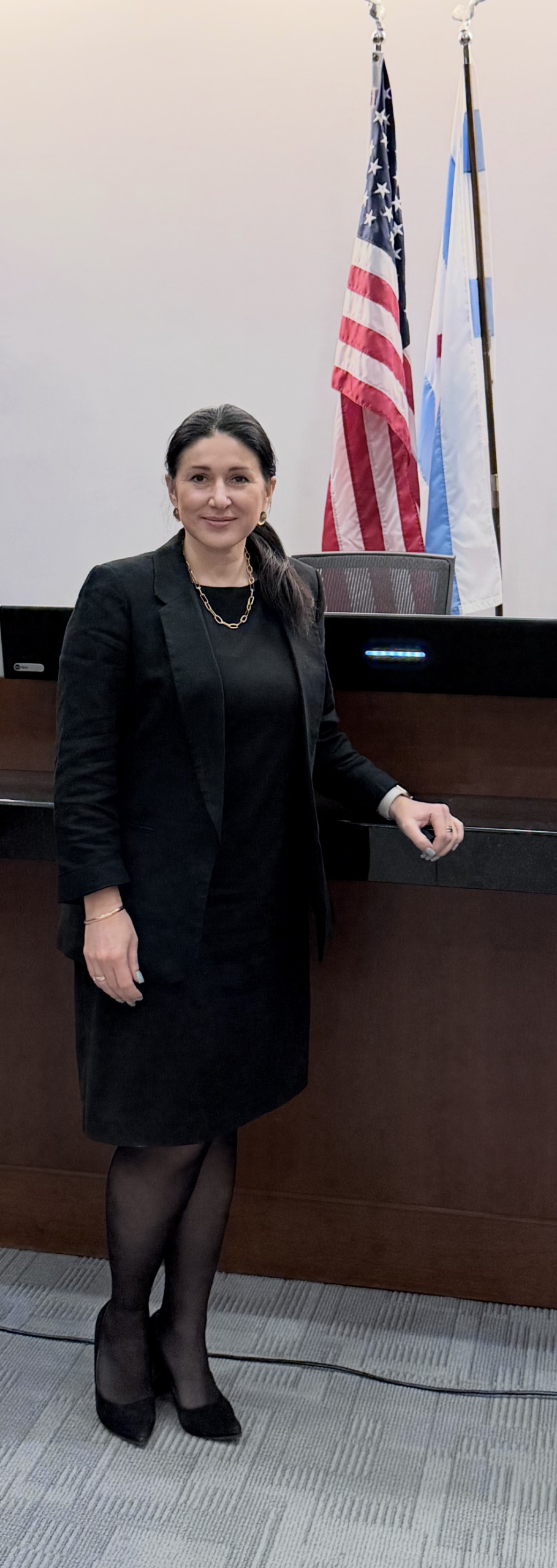
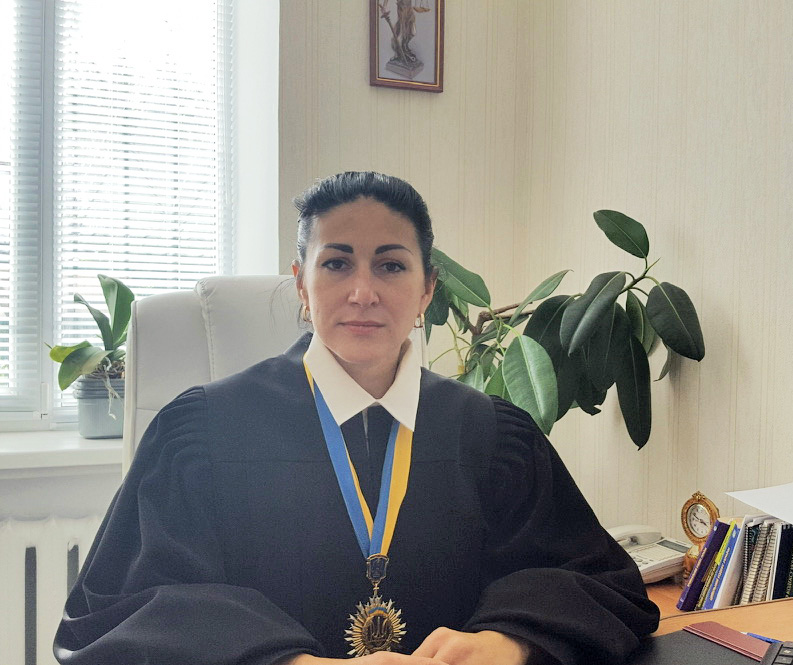
My interest in this topic is not theoretical, but rooted in practice. For many years, I worked as a judge in Ukraine, making decisions in real cases on a daily basis. Today, I have the opportunity to study American law from within. This experience allows me to see the differences not only in legal rules, but in the very logic of how justice functions. What once seemed familiar now appears different in comparison. This is why this is not just an analysis of two systems, but a personal perspective on how differently courts can operate.
In the United States, the classic adversarial system is in place. The judge acts as an arbiter. They ensure that the rules are followed but do not collect evidence or assist the parties in building their case. If an attorney fails to ask an important question or present evidence, the court will not correct it. Full responsibility lies with the parties.


In Ukraine, the principle of adversarial proceedings is also established by law. However, in practice, the judge often plays a more active role. For example, if a party fails to provide an important document, the court may request it independently. If the circumstances of the case remain unclear, the judge asks additional questions. This helps establish the truth, but at the same time partially shifts responsibility away from the parties.
Another noticeable difference is the pace of proceedings. In the United States, much of the work takes place before the trial. The parties exchange evidence, prepare their positions, and file motions. As a result, cases can take years to resolve. In Ukraine, court proceedings often move faster, as the judge can more actively influence the process.
At the same time, U.S. courts widely use modern technologies. Evidence is presented through presentations, videos, and electronic documents. This makes the process clearer and more structured for all participants. In Ukraine, such tools are only gradually being implemented.
Thus, both systems have their strengths. The American model offers a clear division of roles and a high level of responsibility for the parties. The Ukrainian model provides speed and flexibility in handling cases.
Perhaps the key question is not which system is better, but how to find balance. Because an effective court is not only about rules. It is about public trust. And trust arises where decisions are made both fairly and in a timely manner.
This balance is exactly the direction in which modern justice should move.
I would also like to express my sincere gratitude to Chicago-Kent College of Law for the opportunity to study American law and gain a deeper understanding of its principles.
Mariia Didek
Attorney with over 20 years of legal experience, former judge,
student at Chicago-Kent College of Law (USA)